February 19, 2026
How Social Media, Creators and Influencers Shaped Super Bowl LX Ads
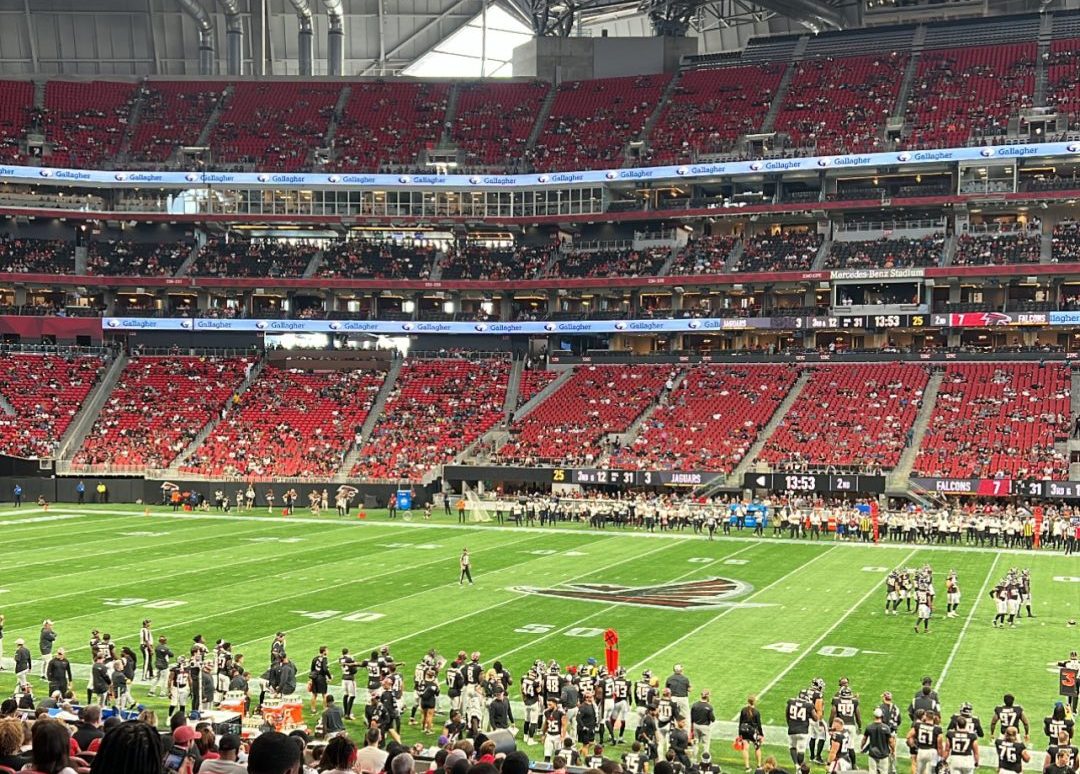
The Super Bowl has always been a platform for big-budget, flashy advertisements, but in recent years, a shift has begun. With the rise of creators, social media influencers, and user-generated content, brands are turning to more relatable approaches to capture the attention of their audiences.
2025 Campaigns like Gatorade’s creator-led trials, Doritos’ user-driven “Crash the Super Bowl,” and Nike’s empowering female athlete commercials, highlighted how creators and social media are not just influencing but transforming the way brands engage with consumers. As we dive into this year’s campaigns, it’s clear that the traditional formula for Super Bowl ads is evolving, creating a new era of marketing where consumers take center stage.
How Brands Approached Super Bowl Ads
Uber Eats
Uber Eats revolutionized Super Bowl advertising with their “Build Your Own Super Bowl Commercial” campaign, transforming a passive viewing experience into an engaging, interactive one. Leveraging their in-app platform, the campaign allowed users to actively create personalized versions of their Super Bowl ad in real time, choosing from over 1,000 unique commercial combinations and unlocking alternate scenes and celebrity cameos including Addison Rae, Matthew McConaughey, and Bradley Cooper.
This innovative approach extended the traditional single-spot advertisement into a dynamic, user-controlled narrative, echoing Uber Eats’ core service of customized ordering and successfully boosting engagement by letting fans “build and control” their content, complete with incentives like exclusive deals.
Squarespace
Squarespace executed a distinctive 2026 Super Bowl campaign starring Emma Stone, strategically playing on the common frustration of domain unavailability. The campaign featured a striking series of pre-Super Bowl advertisements, directed by Yorgos Lanthimos, which depicted Stone comically lamenting her inability to secure ’emmastone.com’. This narrative culminated in the live launch of the very real emmastone.com during the Super Bowl, effectively showcasing Squarespace’s platform as the solution. By transforming a relatable digital pain point into an engaging, celebrity-driven narrative, Squarespace not only generated significant buzz but also powerfully demonstrated its core value proposition: providing individuals and businesses with the tools to easily establish their online presence, even for sought-after domains.
Key Takeaways
1. Consumers have had enough of flashy influencer-driven marketing stunts
Consumers are increasingly fed up with flashy, influencer-driven marketing.
As environmental and economic concerns take center stage on social media, audiences are calling for brands, and the creators they partner with, to ditch the excess and focus on more meaningful, authentic connections. The era of extravagant gimmicks is fading fast, and brands that fail to listen will find themselves increasingly out of touch with the very consumers they’re trying to reach.
2. Consumers as creators
There’s a rising trend of brands bringing their consumers into the spotlight, and it’s paying off big time. The Uber Eats build your own commercial is a prime example. As more brands embrace user-generated content and reward loyal customers with chances to share their stories, these “everyday influencers” are set to become a game-changing force in marketing. By empowering real people to be a brand’s voice, companies are building more authentic, lasting connections with their audiences.
3. Stay tuned into the heartbeat of culture
This year’s Super Bowl commercials emphasize the critical need for brands to be acutely aware of, and responsive to, current trends, societal conversations, and even grassroots online phenomena. It’s about more than just superficial trend-following; it involves understanding the nuances of what resonates with people in the moment. By deeply connecting with the prevailing cultural currents, brands can create campaigns that feel authentic, timely, and genuinely engage audiences.
4. Are brands shifting back towards celebrity talent?
While this year saw a shift back to celebrities taking center stage in Super Bowl ads, many creator-driven campaigns still delivered incredible results. Creators and influencers have undeniably transformed digital marketing, and their influence remains strong. However, celebrities continue to hold a unique, high-impact position in sports advertising, with their global recognition, trust, and prestige allowing them to reach diverse audiences.
Brands are getting smarter with celebrity endorsements, blending creativity and fun to make their campaigns unforgettable. However, with a 30-second Super Bowl ad costing around $8 million, plus hefty celebrity fees, brands are starting to rethink their strategy. Instead of splurging on big-budget ads, many are opting to partner with standout creators. By sponsoring a hero creator and amplifying content on TikTok and YouTube, brands can achieve high-quality production, gain full control over their audience, track metrics, and still see incredible results, all for a fraction of the price. It’s a win-win!
…
If you want help making the Super Bowl the home of your brand marketing revolution, get in touch.
For more industry-leading insights, subscribe to our ‘Raised on Social’ newsletter and check out our Substack for the latest cultural trend analysis.