December 29, 2025
How are Brands Leveraging Music Influencers in their Marketing Strategies?
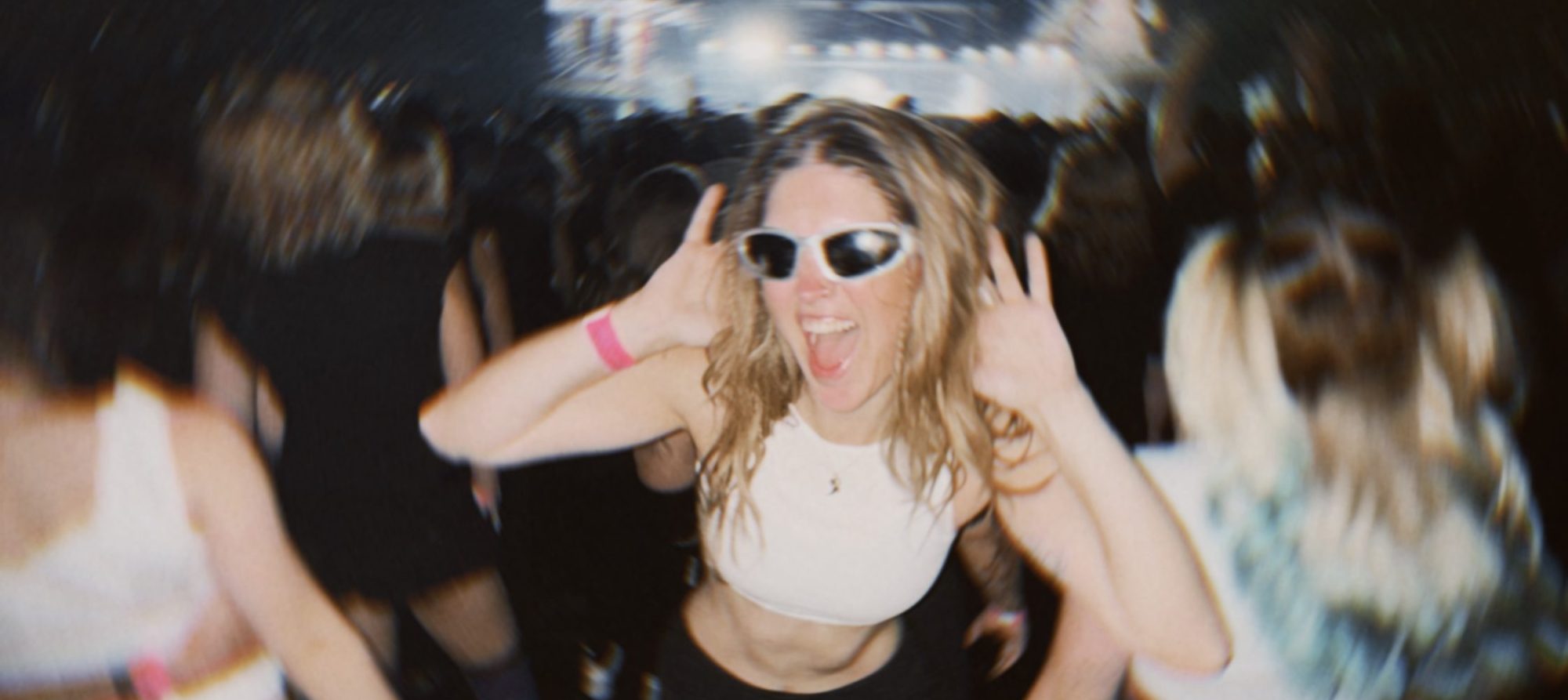
Musicians have been influencers for far longer than the term ‘influencer’, and even social media itself. The Beatles for example sparked global trends in hair and fashion, creating legions of ‘Beatlemania’ mega-fans, leaving a lasting mark on an entire generation.
While worldwide cultural icons are only suited to some of today’s brand marketing, the music influencer landscape of 2025 is far more populated, varied and accessible. There are opportunities to leverage the influence of musicians at every level, yielding impressive results across a surprising range of verticals. Here’s how.
Music Influencers: Why are we so Invested?
Music influencers feel distinct for several reasons:
The ‘skilled’ influencer
Music influencers belong to the ‘nurtured talent’ category of influencer. They’re primarily known (and loved) for their skill, ability and achievement in music, much like pro gamers, sportspeople and make-up artists are in their verticals.
Being an influencer with a recognizable and widely admired talent brings a significant boost to their credibility and content value, which ultimately adds up to audience attachment and trust for brands who leverage them. When an influencer’s primary goal isn’t to have a career as an influencer, it can make audiences, particularly Millennial and Gen Z ones, more receptive.
Rags to riches
As a vertical, music is home to some of humanity’s favourite narratives: the discovery and success stories. Social media offers audiences a new way to immerse themselves in these stories, tracking the rise of their favourite musicians, being ‘early’, and feeling like they’ve experienced the journey alongside them.
Take Tate McRae (@tatemcrae, 13.5M followers), who went from competitive dancing on “So You Think You Can Dance” to bedroom songwriting on her own YouTube channel in 2017. Her viral breakthrough came in 2020 via TikTok, and in 2025 she’s an international star. But she still shares her creative process, teases new music, and responds personally to fan requests on socials.
Emotional creators
While the above is true, it doesn’t explain what makes music influencers different to, say, a sportsperson or an entertainer.
The difference is rooted in the fact that while football players win games, musicians really speak to our human emotions. Not only that, but consumers can and want to access that emotion anywhere – while they’re driving, working out, relaxing, socialising, or scrolling socials.
Music creators are omnipresent in our society: when they speak (or sing), we tend to listen.
Why Should Brands Partner with Music Influencers?
Large reach
Musicians can attract vast audiences, whose foundations are respect, admiration and attachment to the creator and their art. These organically nurtured users can cut across typical demographic lines, creating broad, ready-made audiences with unique characteristics and high engagement rates.
Parasocial connections
Music is emotional, and social media audiences aren’t just attached to the tracks themselves. They’re often deeply involved in their favorite creators’ lives, seeing what they’re up to each day, empathising with them, and taking their recommendations on (or imitating) everything from clothes to travel destinations. These parasocial relationships are an incredibly powerful tool for brand marketing.
Motivated influencers
Music influencers are often fiercely chasing discovery and success. This creates a balanced give-and-take relationship, where brands who offer pathways to that discovery and influencers can promote brands. This makes for a class of creator partners who are motivated, committed and impactful.
Music is at the heart of social platforms
If you boil it down, social content is made up of image and sound. Music influencers offer both.
Music and audio is central to social content, from ad soundtracks to background music for memes and challenges. Social platforms – TikTok in particular offer a range of pathways for micro-music creators to gain recognition and enter the market, whether it’s through sponsored music, viral sounds or audio accreditation. We’ve seen music influencers leverage these cultural moments with the likes of Sophia James’ Group 7 phenomenon on TikTok, posting seven nearly identical TikToks to promote her new single, “So Unfair.”