September 28, 2026
Influencer Marketing Campaigns that US Brands Got Right
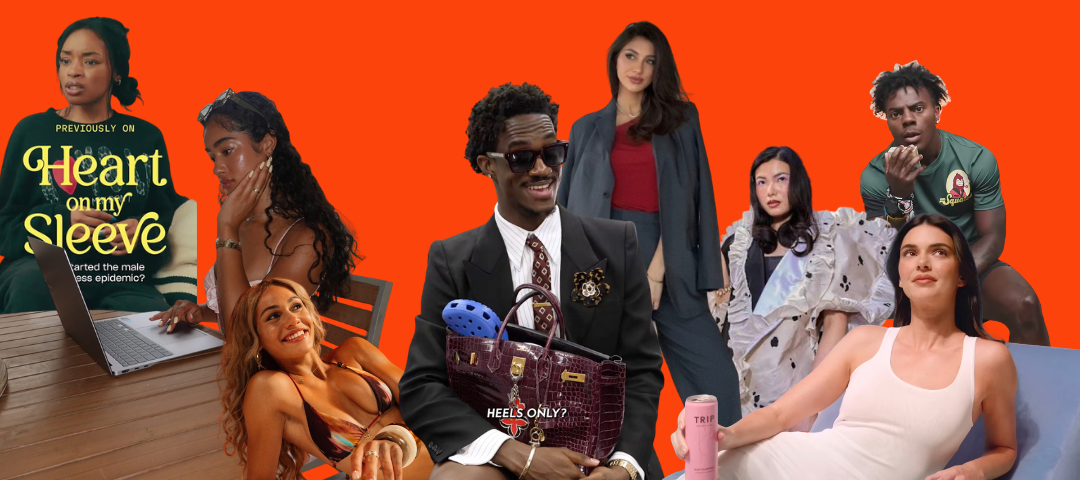
The best influencer marketing campaigns shift perceptions, spark conversations or move product. Not always all three, because every campaign is built for a different job. Right now, US brands are setting the pace. From Snapdragon turning Coachella into a creator stage to Calvin Klein making holiday style feel personal, the standout campaigns have one thing in common: they put creators first and let them lead.
Goat is in the business of influence, so we’ve rounded up the influencer marketing examples we think are worth looking at right now, including some of our own work, and broken down exactly what made each one land. Whether you’re planning your next influencer campaign or wondering if your current approach is pulling its weight, consider this your playbook.
What Makes a US Influencer Marketing Campaign Work in 2026
The US is the world’s biggest creator market, and it keeps getting busier. US influencer marketing spend passed $10 billion in 2025, a full year ahead of earlier forecasts. But how that money gets spent is changing. eMarketer’s Jasmine Enberg has pointed out that growth in straightforward sponsored posts is slowing, with brands moving more influencer budget into paid social and channels beyond social, like TV, out-of-home and podcasts.
You’ll see that shift in almost every campaign below. The brands winning right now are pairing the right creators with paid media, commerce and real-world moments, then measuring every step. (New to the basics? eMarketer’s influencer marketing FAQ is a solid primer.)
Our own IBEX data backs that up. Between Q3 2025 and Q1 2026, investment in micro and nano creators grew 5x, and macro content now captures 47.1% of all views but only 38.4% of engagement. Reach is getting easier to buy. Attention isn’t.
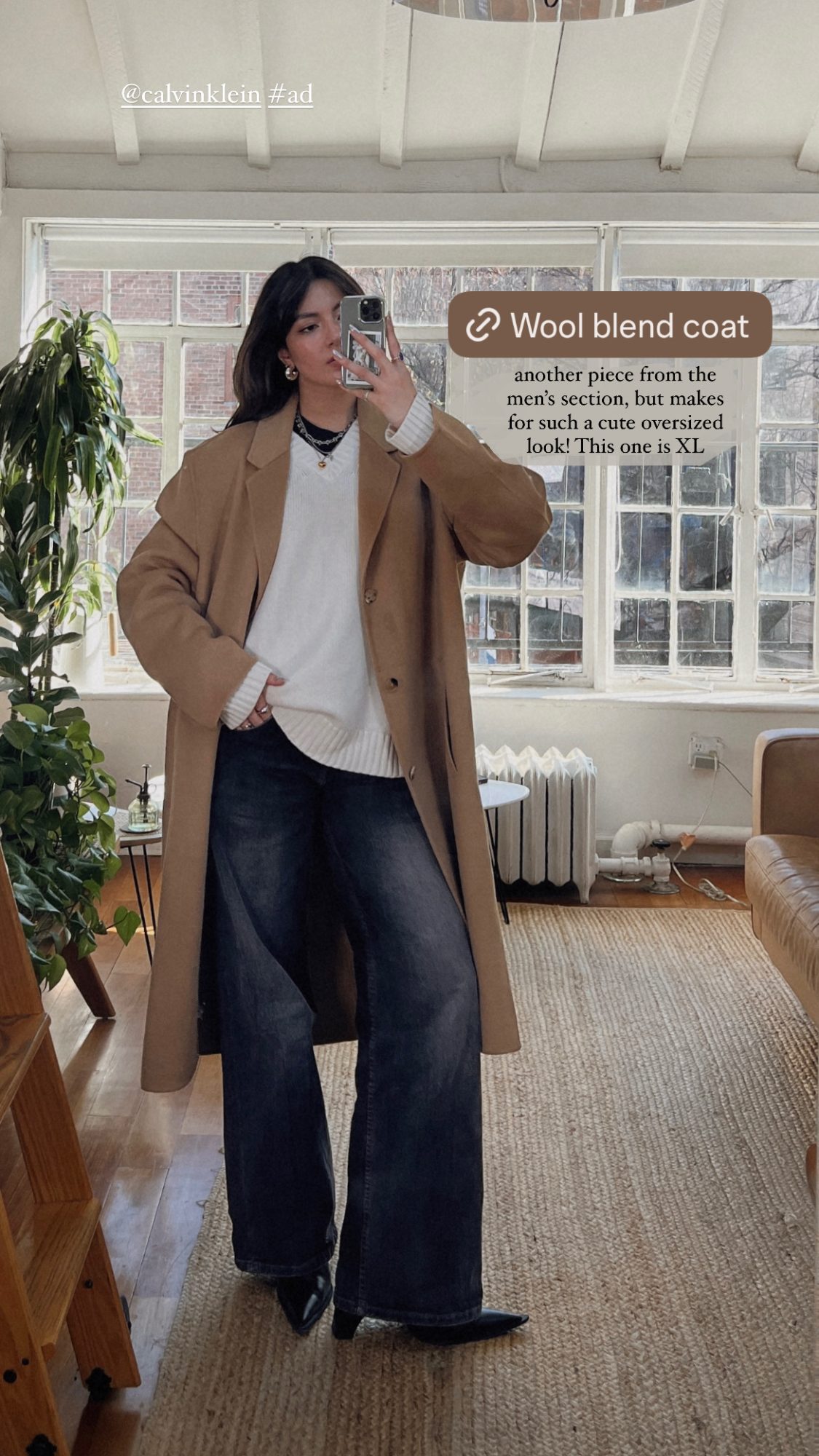
8 US Influencer Marketing Campaigns Worth Studying Right Now
A mix of fresh launches from across the industry and some of our own favorite work from the US team. Here’s what they did, and why it landed.
TRIP: Putting a Creator in the Room With Two Celebrities
TRIP’s biggest campaign to date, “Calm in the Chaos,” is a multi-talent TV spot fronted by new Global Ambassador Kendall Jenner alongside Joe Jonas and Gen Z creator Madeline Argy, built around playful vignettes where a sip of TRIP whisks each of them from their daily chaos to their happy place. It runs across TV, billboards, TikTok and Instagram in the US and UK, with out-of-home spots including Times Square and Hollywood Boulevard.
The detail we love is Madeline’s scene. She reaches for TRIP at a party as an evening alcohol alternative. All three talents have become equity shareholders, with the brand valued at $550 million in 2026. It’s early days for campaign results, but the foundations are strong: TRIP generated over a billion impressions across Instagram and TikTok in the past year, and it’s the fastest-growing sparkling drinks brand in the US this year.
Why it worked: Celebrity gets you noticed. Relatability gets you bought. Madeline’s party scene grounds the campaign in a moment people actually live, so the calm messaging feels earned. And with all three talents holding equity, they’re partners in the brand.
Crocs x InStyle x Wisdom Kaye: Slotting Into a Series People Already Love
InStyle’s The Intern is a running social comedy series where creators take on the role of the magazine’s newest hire. Wisdom Kaye fronted Crocs’ “Do Your Thing” self-expression campaign at the start of 2026, then in July extended the partnership by starring in The Intern, a crossover series developed by Crocs and InStyle. In his episode, he takes on outdated office dress codes and makes the case for Crocs and Jibbitz as genuinely fashion-forward.
It’s part of a much bigger social media marketing playbook. TikTok Shop named Crocs its Seller of the Year in May, and the brand made an estimated $52.4 million on the platform in the 12 months to April, making it the top footwear seller there.
Why it worked: Crocs didn’t try to build an audience from scratch. It borrowed a format InStyle’s followers already tune into, and handed it to a creator with real fashion authority. It also builds on an ongoing relationship rather than a one-post drop. Want to know what makes Wisdom’s content so watchable? Read our deep dive on Wisdom Kaye, or catch his takeaways from our NYC event.
Qualcomm Snapdragon: Turning a Music Festival Into a Creator Stage
Qualcomm wanted to take Snapdragon X Elite-powered laptops out of the tech bubble and into culture. So we took them to Coachella. Three macro lifestyle creators with a combined following of 5.3 million documented their festival experience, showing off battery life and connectivity in real-life moments. We prioritized videos over 30 seconds for richer storytelling and backed the content with paid media across Instagram, TikTok, Facebook and YouTube.
The result? 14 million engagements, 98% positive sentiment, over $422K in attributable revenue, and 265 million impressions. See the full case study.
Why it worked: The product earned its place in the story. No spec sheets, just creators using a laptop at a festival and showing why it held up.
Calvin Klein: Two Messages, One Holiday Season
For Q4, we ran a dual “Holiday Styling” and “Gift Guide” approach with eight fashion and lifestyle creators, backed by optimized paid media. We also leaned into under-tapped markets like Miami, where the content could really break through.
It delivered a 4.71% engagement rate, 6,770 purchases and a 7.02 ROAS. Read the case study, or see more festive examples in our Christmas influencer campaigns roundup.
Why it worked: Two clear messages let us test, learn and shift budget toward what was converting, in real time.
What Makes a Good Influencer Marketing Campaign?
A good influencer marketing campaign pairs creators who genuinely fit your brand with a clear objective, content made natively for each platform and a plan to measure results. The best ones treat creators as creative influencer partnerships, amplify their strongest content with paid ads, and optimize in real time.
Quick checklist:
- A single, measurable goal (awareness, consideration, leads or sales)
- Creators chosen for audience fit and credibility, not just follower count
- Clear key messages, but no scripts
- Content designed for each platform’s format and culture
- Paid media to extend reach and retarget warm audiences
- A tracking setup agreed before launch
- Room to test, learn and move budget mid-campaign
For a broader look at the fundamentals, McKinsey’s influencer marketing explainer is worth a read.
How US Brands Can Apply This to Their Own Strategy
You don’t need a Coachella budget to borrow these lessons. Here’s where to start:
- Define the one outcome that matters: Awareness and sales need different creators, content and KPIs. Pick your priority first.
- Let data find your creators: Look beyond the obvious niche for crossover audiences, the way IBEX surfaced VFX creators for CarGurus. Our guide on how to find the right influencers goes deeper.
- Plan for paid from the start: Almost every campaign here used influencer-led paid media to scale what worked. Build it into the budget.
- Look for moments and formats your audience already loves: A festival, a holiday, a series people already watch. Show up where attention already is.
- Think in relationships, not one-offs: TRIP and Crocs both built on ongoing partnerships. Repeat exposure with the same trusted voice compounds.
If you want more on the framework we use, check out how we build influencer marketing strategies or grab our FMCG Influencer Marketing Report.
Or skip straight to the good bit. We’ve built influencer marketing campaigns for Qualcomm, IBM, Calvin Klein and more, and we’d love to do the same for you. Get in touch.
FAQs
How do brands measure ROI on an influencer marketing campaign?
Start with the goal. Awareness campaigns track impressions, reach and sentiment. Consideration looks at engagement and clicks. Conversion campaigns track leads, purchases and ROAS through affiliate links, promo codes, pixels and retail media attribution. Calvin Klein’s 7.02 ROAS, for example, came from tracking purchases directly back to creator content.
How much do influencer marketing campaigns cost in the US?
It varies hugely. Cost depends on creator tier, number of creators, deliverables, usage rights, exclusivity and how much paid media sits behind the content. A handful of micro creators can cost a fraction of one celebrity post, so it’s worth setting your objective first and building the budget around it.
How long should an influencer marketing campaign run?
Launch bursts can run a few weeks, but campaigns tend to perform better with a burst of activity followed by a steady flow of content, like CarGurus. Always-on ambassador programs, running for months or longer, build the most trust and familiarity.
How do brands ensure authenticity in influencer marketing campaigns?
Work with creators who already fit or love the category, give them clear messages and creates content in their own voice. Longer-term partnerships help too, because audiences see the brand come up naturally over time.
Which social platforms work best for influencer marketing campaigns in the US?
TikTok, Instagram and YouTube are the heavy hitters for consumer brands, while LinkedIn plays a big role for B2B, as IBM’s campaign showed. The best mix depends on where your audience actually spends time, so most successful campaigns run across two or more.
How do you choose the right influencer for a campaign?
Look at audience demographics, engagement quality, content style, past brand work and genuine affinity with your category. Data tools like our proprietary IBEX technology help match creators to your target audience rather than relying on follower count.
What’s a good engagement rate to expect from an influencer marketing campaign?
It depends on platform and creator size, and engagement rates tend to dip as follower counts grow. As a rough benchmark from our own work, Calvin Klein’s holiday campaign hit 4.71%, which sat well above industry norms.