May 6, 2026
Stop Picking Influencers by Follower Count. Here’s What FMCG Brands Should Do Instead
Fast-moving consumer goods (FMCG) is a cut-throat market where every campaign needs to deliver reliable, meaningful ROI. FMCG influencer marketing is often key to achieving success in this hyper-competitive vertical, but only if it’s done right.
Here’s how to shape your FMCG influencer strategy into something that’s all killer, no filler.
Contents
- Why Influencer Selection Is the Most Important Decision in Any FMCG Campaign ->
- The First Rule of FMCG Influencer Marketing: Audience Fit Over Audience Size ->
- Niche Creators and the Power of Targeted Reach in FMCG ->
- When Size Does Matter — The Case for Macro Influencers in FMCG ->
- The Second Rule: Content Relevance Is Non-Negotiable in FMCG ->
- What Good Content Relevance Looks Like for FMCG Brands ->
- Putting It Together — A Smarter Influencer Selection Framework for FMCG influencer marketing ->
- How Goat Selects Influencers for FMCG Campaigns ->
Download our comprehensive guide to FMCG influencer marketing!
Why Influencer Selection Is the Most Important Decision in Any FMCG Campaign
Purchase decisions for FMCG (sometimes called consumer packaged goods (CPG)) are low-cost, high-frequency, and built on habit and social proof. When it comes to influencer marketing for FMCG, that means the wrong influencer won’t just underperform, but can actively damage trust.
It’s not often that users give brands a second chance to get it right, so your FMCG influencer campaigns need to land perfectly, first time and every time. Successfully catching that attention and triggering that purchase calls for two things above all else:
- Strong fit between influencer and audience
- High content relevance
Let’s look into each in turn and identify how to get each just right.
The First Rule of FMCG Influencer Marketing: Audience Fit Over Audience Size
Why a Smaller, More Engaged Audience Beats a Big, Passive One
On average, nano-influencers (up to 10K) yield an incredible 4.84% engagement rate. Micro-influencers (up to 100K) typically deliver 3.86%, compared to just 1.64% to influencers with 500K-1M followers, and dropping further to 1.21% for influencers with over 1M followers.
Not only that, but costs per post are vastly lower for nano and micro influencers, ranging from $50 to $1K or so, compared to $5K-50K+ for influencers with large followings.
Put these stats together, and it spells exceptional ROI. Further still, working with small influencers allows you to spread risk, while tapping a wider spread of audiences while still working with lower budgets.
Niche Creators and the Power of Targeted Reach in FMCG
Working with smaller creators offers a much greater degree of shaping, targeting and control for your FMCG influencer campaigns.
Niche creators are often major players in ‘user communities’ – if not the heart of them – attracting very high levels of trust. They thrive on rich, two-way relationships between influencer and audience.
Working with small creators not only allows you to achieve stunning engagement levels by tapping into these relationships, but ensures that those engagements are deeper and of higher quality.
Niche influencers usually develop due to their expertise or authority in a specific area, while mega-influencers might rise due to personality or broad-spectrum appeal. If brands can align their products with that specific focus of a niche creator, it will barely feel like an advertisement at all. Then sparks will fly.


How to Match Audience Fit to Your Campaign Objective
Selling
Use niche micro-influencers to drive direct sales by matching their specific audience characteristics to your exact consumer profiles.
Branding
Partner with macro-influencers to power product launches, gain instant mass-market visibility, and build broad brand authority.
Presence
Consider maintaining a steady roster of small and mid-tier creators that align with your target demographic for staying relevant and maintaining a presence in daily digital conversations.
The Second Rule: Content Relevance Is Non-Negotiable in FMCG
Why Category Context Matters More in FMCG Than Almost Any Other Sector
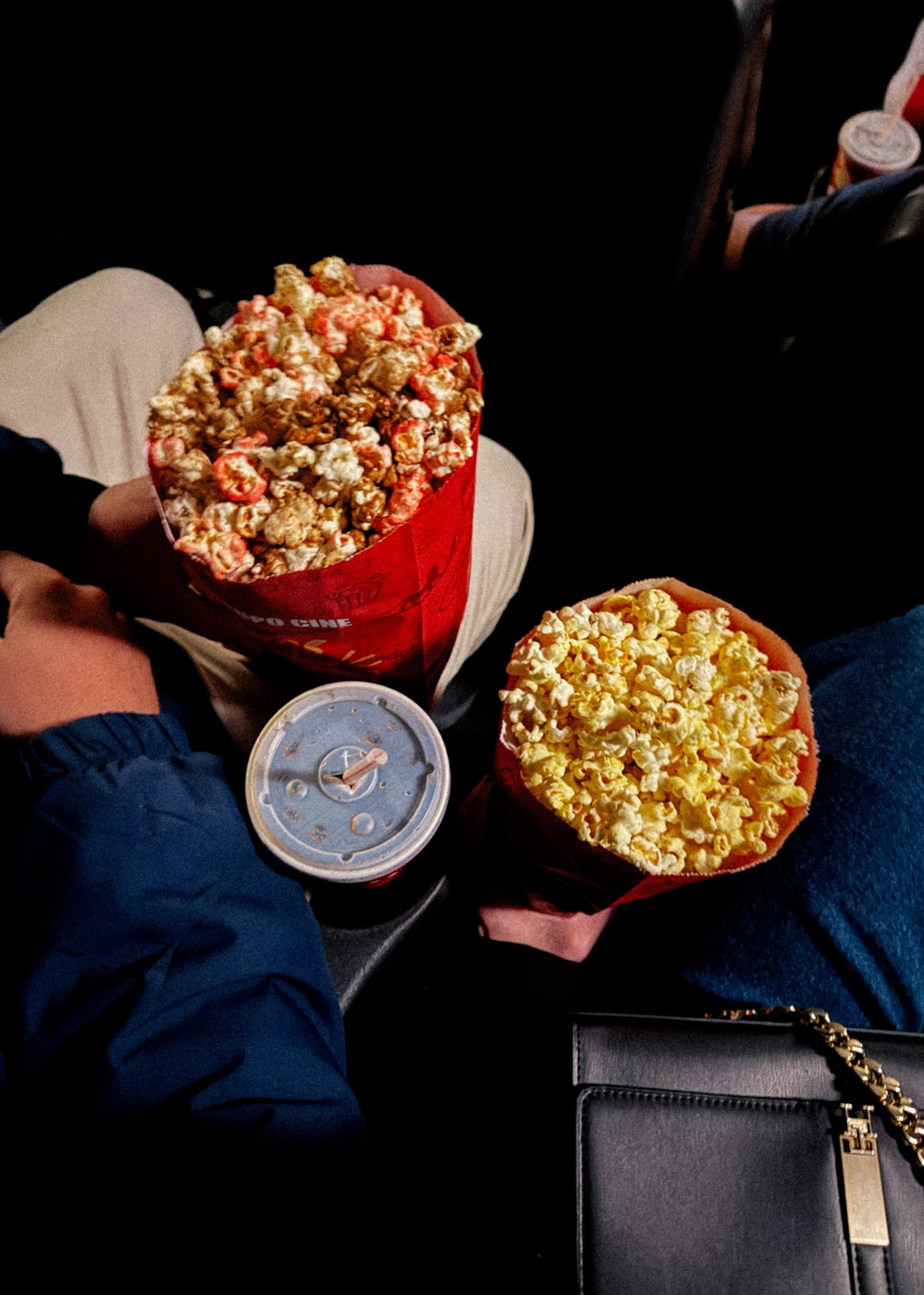
Context is king for FMCG consumers because they think (and purchase) through the lens of specific usage occasions. In simple terms? An indulgent snack is far more appealing in the context of movie night and will play terribly with fitness audiences, while a healthy, high protein bar will thrive within a gym-oriented GRWM but struggle to move the needle with treat-lovers.
The low-cost nature of FMCG items makes purchasing primarily impulse-driven rather than planned. Placing your product into a creator’s natural routine or in line with their interests (and by extension the audience’s) triggers an immediate psychological “need” in users that generalised ad content… often won’t.
FMCG is crowded – not only online, but in the shop aisles that your customers will be picking items up from. Influencers are your trusted noise filters, giving shoppers the mental shortcut they need to grab your product over a competitor’s.
The Red Flags That Tell You an Influencer Is the Wrong Fit
Finding the perfect brand-influencer fit is a mix of intuitive thinking and staying alert to more subtle indicators. It’s obvious, but needs saying: a creator whose aesthetic style or personal values clash with your brand’s identity will make any partnered placement feel jarring and forced.
But, we still need to dig deeper. Even if an influencer feels aligned, content that lacks a natural connection to relevant usage occasion(s) for your product can fall flat. If it doesn’t tell a coherent, understandable story, it won’t trigger the purchase impulse.
As well as their fit with your brand, you need to look at the influencer’s wider repertoire. Creators who regularly promote low-quality or unfocused product ranges will have a “cluttered” online environment. If you put your brand into that mix, you can definitely expect weak results – but you could also end up losing brand authority and consumer trust rather than gaining it.
What Good Content Relevance Looks Like for FMCG Brands
Here’s a few examples of relevant influencer content for typical FMCG categories, to get your brain working:
Packaged foods
Recipes tailored to a need or pain point, like 15-minute dinners or five-ingredient hacks, as well as taste tests and ‘blind’ comparisons.
Beverages
Cocktail / mocktail tutorials, lifestyle/vlog content tailored for fitness performance or work-from-home energy boosts, or integration with parallel verticals e.g. sports, gaming.
Beauty & personal care
‘Get Ready With Me’ routines are the classic, but lifestyle content tailored to specific needs or interests is also highly effective e.g. best products for travelling, exercise, commuting, specific seasons.
Household cleaning
Deep clean ASMR content, before-and-afters and ‘transformations’, performance tests on tricky stains, or hacks and tips.
Snacks & confectionery
Pairing the product with a specific activity per persona, whether it’s movie-goers, gamers, party hosts, health-conscious office workers or teens going to the mall.
Putting It Together — A Smarter Influencer Selection Framework for FMCG influencer marketing
Focus on your influencer’s shape, not their size
Forget follower count. Look at the creator’s audience demographics and interests, and make sure they’re lined up with the people who are clicking ‘buy’ on your products.
Pay an influencer to make the smallest change possible
Work with creators who can integrate your products into their daily routines and interests with ease, rather than funding one-off, clearly sponsored posts. Audiences can it smell a mile off.
If it works, make it regular
Once you’ve found a dreamy match-up, why do it all over again? Consider ambassadorships, always-on partnerships, or recurring deals with your roster of preferred creator-partners.
Let the creators lead the way
As with any influencer marketer campaign, remember – you’re paying the influencer because of their personality.
Successful influencer campaigns for FMCG brands are ones where the brand gets out of the way and trusts creators to work their magic.
What Does the Data Show About Influencer-led FMCG Campaigns
Influencer marketing is widely used by FMCG brands to drive awareness, engagement and product consideration, particularly on social media platforms where creators can influence purchasing behaviour.
Analysis of internal campaign data from our proprietary data tool, IBEX supports this. Across the analysed campaigns, influencer content generated 686,170,226 impressions and 405,515,336 reach demonstrating the ability of influencer partnerships to scale brand visibility and ensure products reach large and relevant audiences, which is particularly important for FMCG brands that rely on repeated exposure to drive familiarity. Influencer campaigns also generate significant audience engagement, with 206,898,443 total engagements and AER of 33.89%, indicating influencer-led content is particularly effective at capturing attention and encouraging meaningful interaction.
Beyond this, influencer marketing can also encourage audiences to move further down the purchase funnel for FMCG brands. With 6,894,749 clicks and an average CTR of 2.53%, the data suggests that influencer campaigns are highly effective at driving consideration of products beyond social media platforms.
The market for FMCG brands is notoriously competitive. Even the most recognizable brands must continuously innovate to transform everyday essentials into products people actively seek out and choose to buy.
How Goat Selects Influencers for FMCG Campaigns
Want to discover how FMCG brands are building stories, connection and prestige through creators? Check out our latest Goat Intelligence Report to find out!
At Goat, the foundation of the most impactful FMCG influencer campaigns is people. When you combine human media, (real creators, real stories) with connected media (deep integrating across every channel, you get scalable storytelling, more accurate targeting, and exceedingly more measurable performance.
The Goat Agency’s Molly Richards gave the inside scoop on how FMCG brands can create genuine, loyal Gen Z communities, without compromising on brand identity. In “How can FMCG brands create genuine Gen Z fans?”, Molly shares that Gen Z audiences seek three things from the brands they consume from:
- Authenticity: When Gen Z trusts, they go all in – and they require the same from their brands
- Relatability: They want to see their challenges mirrored. Familiar faces facing similar experiences
- Trendsetting: Riding the social wave – be part of their conversation
We know how to drive significant attention in the FMCG market.
Interested? Chat to our team to discover how our team can shape your brand journey in such a diverse sector.