August 21, 2026
8 Takeouts from Goats Raised on Influence: Matcha Marketing Morning
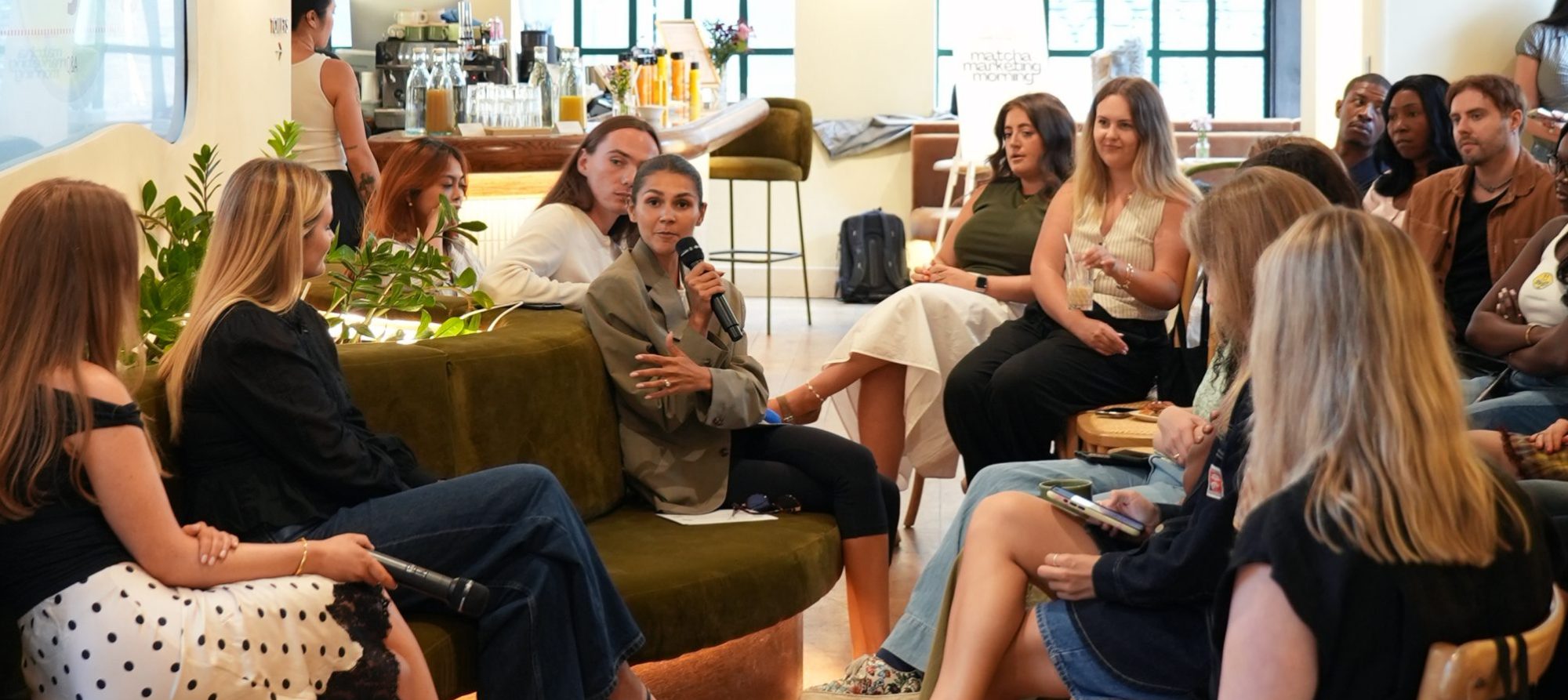
A morning of matcha, marketing, and meaningful conversation. We brought together 15 creators to The Goat Agency’s first UK ‘Raised on Influence’ event, Matcha Marketing Morning: exploring how micro creators can transcend their niche for impactful brand collaborations.
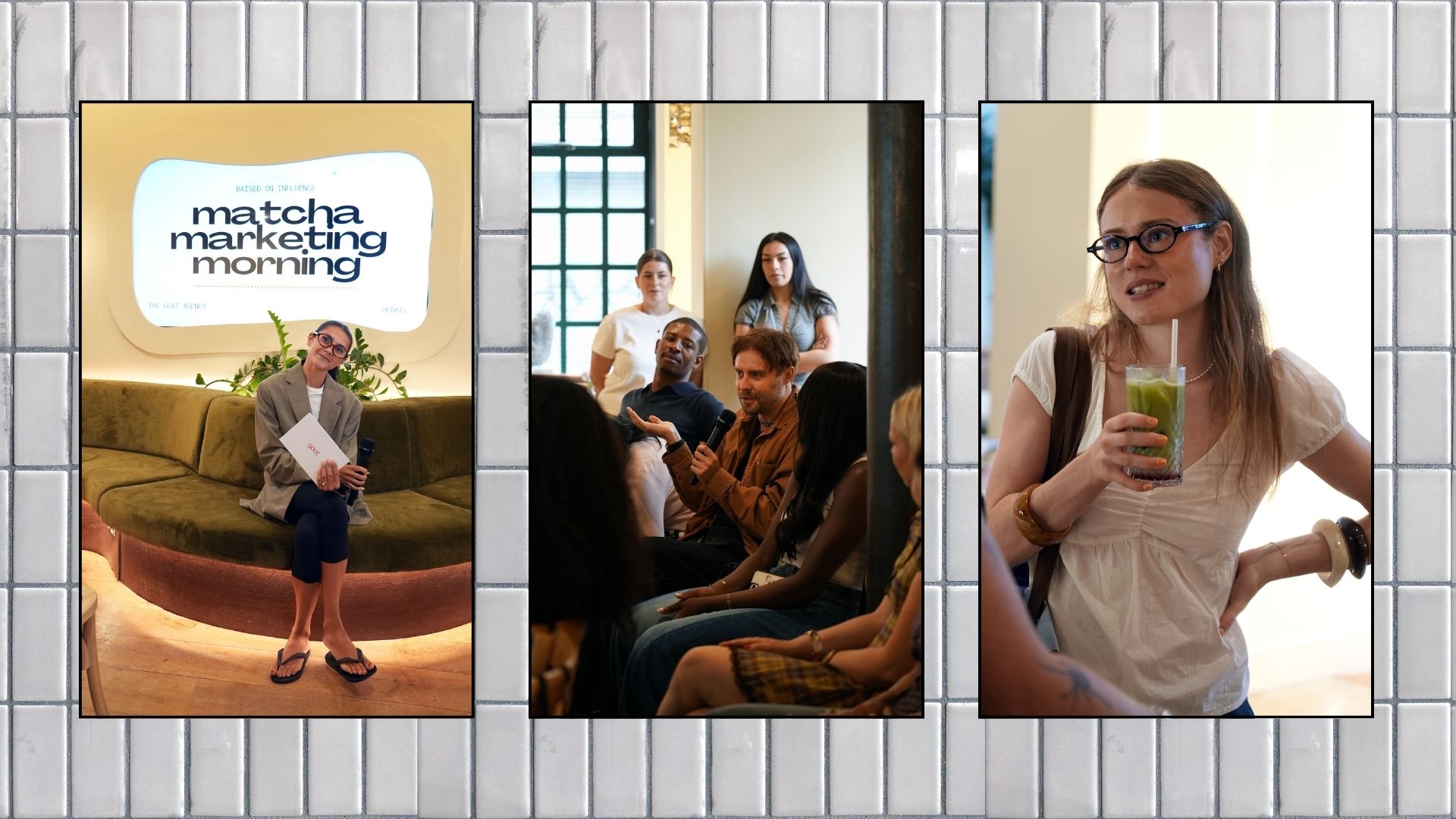
The Context: Raised on Influence: Matcha Marketing Morning
The rapid evolution of the creator marketing landscape has continually reshaped advertising, yet recent shifts indicate a profound transformation in how both brands and creators approach partnerships.
As the digital space becomes increasingly dynamic, many niche lifestyle creators find themselves in a unique position: possessing incredible influence within their specific vertical, but often feeling confined by it. Brands, however, are now looking beyond traditional metrics, recognising the immense power and deeply engaged audiences that niche creators bring to the table.
For too long, the narrative has been about creators staying true to their niche. Sticking to what works. But what if we told you that’s not strictly true?
Our Raised on Influence ‘Matcha & Marketing Meet-Up’ unpacked the current state of brand-creator relationships and provided insights and inspiration for niche lifestyle creators looking to transcend their traditional verticals and ‘match-a’ with leading brands, featuring speakers from global consumer goods brand Henkel and The Goat Agency.
Here’s some of what you missed…
The 8 Takeouts from Raised on Influence’s Matcha Marketing Morning
(1/8) Influencer partnerships = brand x brand collaborations
As Senior Campaign Director Cam McIntyre highlighted during our ‘Not Just My Niche’ fireside chat, creators aren’t just creative mouthpieces for brands, they’re businesses in their own right. The most successful creators think strategically about what they’re “doing on social as a business”, constantly refining how they engage their audience and build their personal brand.
Because of this, creators often know their audience better than anyone else. They understand their followers’ interests, the stories that resonate, and the content formats that consistently drive engagement. That insight is what makes creators such valuable partners, not just content producers.
For brands, Cam encouraged a shift in mindset: think less about influencer-brand partnerships and more about brand-brand collaborations. Creators have spent years building trust, credibility, and a distinct brand identity with their audience. By combining a creator’s platform, audience expertise, and personal brand with your own brand objectives, you can create content that feels more authentic, connects more deeply, and delivers greater value for both audiences.
(2/8) Community engagement is the most powerful success metric
There’s been a clear shift in recent years away from generic vanity metrics and surface-level indicators of influence. As Goat’s Global Head of Campaign Governance and Delivery, Niamh Kelly, and Cam McIntyre shared, follower count matters less than ever. The real value lies in how creators engage with their audience, particularly when that audience closely aligns with a brand’s target consumer. Similarly, Henkel’s Caoimhe Stein explained that the brand prioritises the quality of interactions within a creator’s community over the size of that community.
This sparked an important question from creators: What does effective audience engagement actually look like? Campaign Director Elle Kelley shared that one of the strongest indicators of a highly engaged creator is their ability to foster meaningful conversations around products. This can be seen when followers ask questions in the comments, and the creator actively responds, continuing the conversation and addressing any follow-up queries. These interactions demonstrate trust, credibility, and genuine influence, qualities that often deliver far greater value than reach alone.
Interested in all things community? Check out our latest breakdown…
@luciecolebeck Trying got2b hairspray for better grip…😳👀 #gymnastics #luciecolebeck #gymshark #gymnasticschallenge ♬
(3/8) The best creator partnerships build stories their audience cares about
“Do you have a relationship with your audience, where they trust your opinions, they trust your recommendations, and you can build a really authentic story?”
This was the question Caoimhe asked our creators.
The most effective creator partnerships are built around stories that audiences already care about, rather than trying to force a brand message into content. Creators have a deep understanding of their communities, from the conversations they’re having to the formats, trends, and storytelling styles that naturally capture attention.
Caoimhe Stein brought this to life through got2be’s partnership with gymnast Lucie Colbeck. Rather than leading with product features, the campaign focused on creating content that felt relevant to Lucie’s world and relatable to her audience. From incorporating a slick-back bun into her pre-gymnastics routine to showcasing the product’s strong hold through demanding gym training and bar work, got2be’s key messages were seamlessly integrated into content her followers already enjoyed watching.
(4/8) Creators are an engine of trust, and micro-creators are powering it
We hear it a lot: Trust. But when you’re leveraging trust into your strategy, what does this mean?
Henkel’s Caoimhe Stein and Goat’s Elle Kelley discussion painted a clear picture: brands can’t build it alone.
“Brands can buy reach but they can’t buy trust and that’s exactly why they need you [creators].”
It takes trusted perspectives and voices to translate stories that genuinely resonate to their audiences. We already know the power of micro creators, in fact our own data proves it: Among Gen Z audiences, the preference for micro and nano influencers is clear in both their behaviour and response to branded content. Our data shows they’re 14x more likely to follow smaller creators, gravitating towards niche, community-driven voices rather than large-scale personalities (Goat IBEX data, 2026).
(5/8) High quality doesn’t mean high aesthetics
There’s an assumption that high quality content means overly polished, aesthetically pleasing content but Henkel’s approach signals a wider shift. High effort content is the new signal of quality. Content that genuinely speaks to audiences in a way that connects and truly engages is what translates the brand story in the same way. Unapologetic content is the content brands should be truly seeking from creators this year. Content that showcases the creator’s passion for the brand story or simply shows that they use the product in their daily life is a huge signal that the content quality will be higher.
Similarly, Cam McIntyre echoed that while content styles and brand deals can be applicable to anything, what makes creator content the most exciting for brands is “the passion and co-created” of content that stands out in such an increasingly oversaturated market.
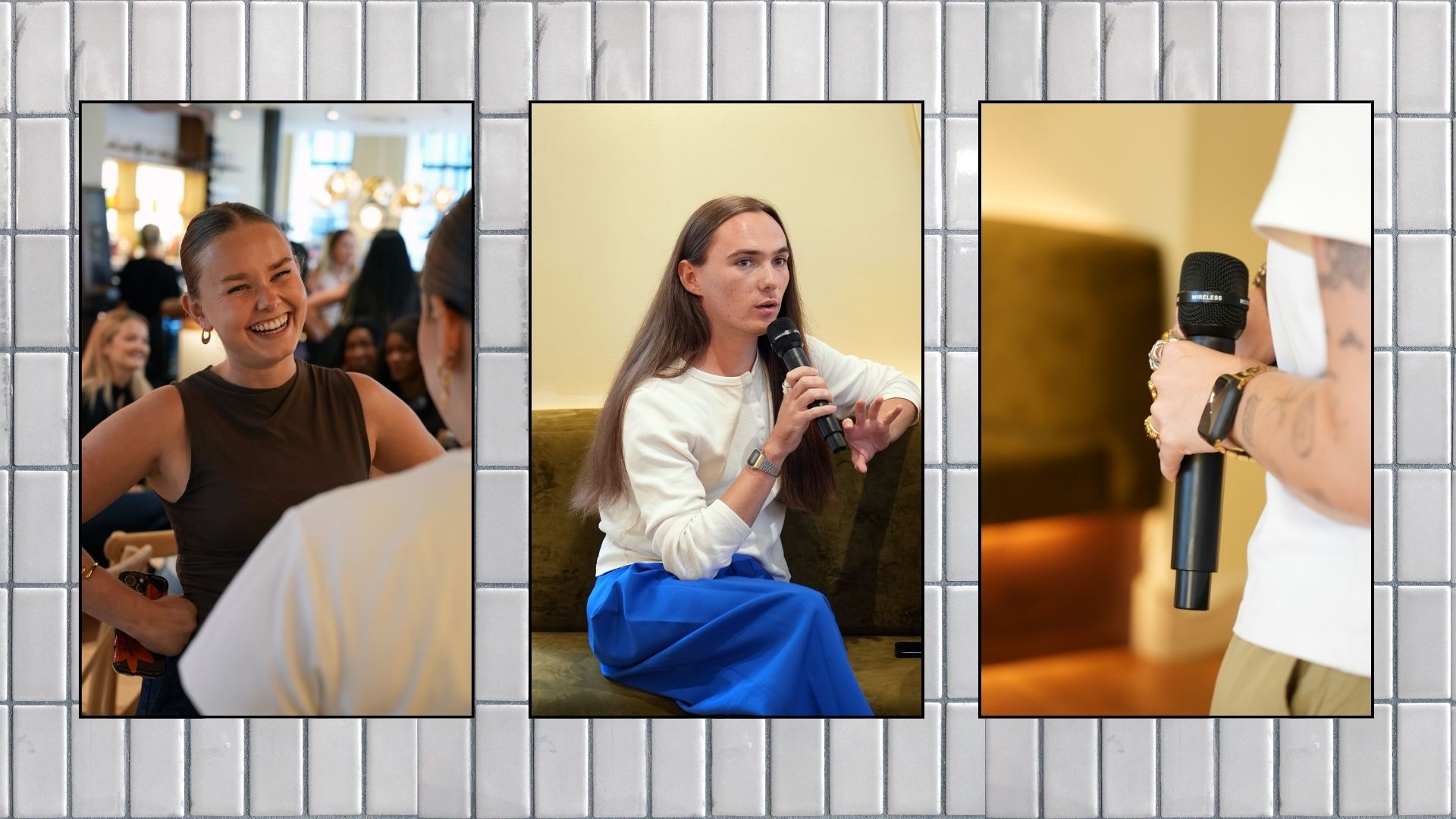
(6/8) The most effective creators are showing the 24 hours outside of their niche.
A creator’s niche is often only a small part of their day, but it’s everything around it that can make them valuable to a much wider range of brands. Niamh Kelly highlighted, audiences don’t just follow creators for their expertise in one area, they follow them for their lifestyle, personality, routines, interests and perspectives.
A running creator doesn’t stop being influential when they stop running, and a beauty creator’s impact extends far beyond their makeup routine. By showcasing more of their everyday lives, creators open the door to partnerships with brands across different categories and verticals.
“Em the Nutritionist is a great example, […] posting her house interior, talks through her videos, posts her wedding journey and holiday, but is still very known for her food videos.”
For marketers, the opportunity lies in looking beyond a creator’s niche and identifying where their wider lifestyle naturally aligns with a brand’s audience and message.
(7/8) Vertical adjacency isn’t just for beauty brands
Throughout the event, we discussed the importance of looking beyond surface-level content pillars. These broader lifestyle moments often present some of the most authentic partnership opportunities because they reflect how audiences engage with creators in real life.
Cam and Niamh touched on some key brand examples that show there’s proof in the pudding for a wide range of brands to tap into vertical adjacent partnerships. From Minor Figures’ Hyper Oat range leveraging a mix of micro and macro vertical adjacent creators to look outside the ‘milk alternative’ echo chamber, and our Dell x The Hardest Geezer partnership, leaning on his 7 wonders of the world challenge and showing how Dell simplified processes, like editing, during his trip.
For brands, this means thinking beyond traditional category fit and focusing on audience fit instead. The most effective partnerships often come from identifying natural intersections between a creator’s lifestyle and a brand’s objectives, rather than restricting opportunities based on a predefined niche.
@hardestgeezer Seven wonders later. Hundred of photos. Three functioning brain cells. Time to clean it all up, thankfully the Dell’s doing most of the work. @intel #IntelvPro #IntelAI @delluk #DellCollab #ad ♬ original sound - Russ Cook
(8/8) The creator consensus: the brief vs the personal brand
We’ve all heard it before: “Restrictive briefs aren’t the way forward.” But what does that actually mean in practice?
During our We Listen and We Don’t Judge Q&A session, Elle Kelley asked creators about their biggest pain points when working with brands. One topic came up time and time again: brand messaging. Creators spoke about feeling constrained by overly prescriptive requirements, whether that was being asked to mention the full product name within the first five seconds of a video or trying to communicate a brand’s tone of voice in a way that satisfies the brief while still feeling authentic to their audience.
The challenge isn’t that creators don’t want to deliver a brand’s message. Quite the opposite. The issue is that sometimes the most effective way to communicate that message looks different from what’s written in the brief. They understand the content formats, storytelling techniques, and cultural nuances that will resonate with their community.
When creators are given the flexibility to translate a brand’s objectives into their own style and voice, the result is content that feels more genuine, engages audiences more effectively, and ultimately delivers stronger outcomes for brands. Henkel and Goat both echoed that the best briefs provide clear objectives and guardrails while leaving room for creators to do what they do best: create content their audience genuinely wants to watch.
The conversation also highlighted that creators have a role to play in shaping these discussions. If a brief contains requirements they believe won’t resonate with their audience, the solution isn’t to simply push back, it’s to come prepared with an alternative. Creators should feel empowered to explain why something may not work and suggest a different approach that still achieves the brand’s objectives. By turning potential roadblocks into collaborative conversations, creators can demonstrate their audience expertise while helping brands achieve better results. The strongest partnerships are built on mutual trust, open communication, and a shared commitment to creating content that works for both the brand and the audience.
There was so much more we could have said… Subscribe to our newsletter for more insights like these.
One final thought
One of the biggest takeaways we received from the session (other than matcha) was the value of simply being in the room with creators. Open and honest conversations reveal the nuances that rarely make it into campaign feedback forms, from pet peeves around rigid brand requirements to the pressure of balancing creative freedom with commercial objectives. Hearing these perspectives firsthand helps us advocate more effectively for creators, educate brands on what makes content work, and encourage a more adaptable approach to briefing. The best partnerships happen when brands, agencies, and creators meet in the middle (or in our case, in one room), with mutual trust, shared goals, and a willingness to collaborate rather than dictate.
Other articles you might like
Pretty Little Marketer & Hunsnet: Community-Led Marketing: Why Brands Are Turning to Creators
- Travel and Leisure
- Beauty & Health
- Fashion & Apparel
- FMCG
- Food & Drink
- Gaming & Entertainment
- Tech & Apps
- Other
How to Plan Halloween Marketing Campaigns: An Influencer Strategy Guide
- Beauty & Health
- Fashion & Apparel
- Other
Back to School Marketing: Who’s Buying, Where They Are, and How to Reach Them
- Fashion & Apparel
- Tech & Apps
Pick Me. Choose Me. Love Me. The FMCG Influencer Marketing Report
- Beauty & Health
- FMCG
- Food & Drink
Mental Health Influencers: How MDMotivator is Transforming What Philanthropy Looks Like
- Beauty & Health
Micro Influencer Marketing: How Can Brands Work with Micro Creators?
- Travel and Leisure
- Beauty & Health
- Fashion & Apparel
- FMCG
- Food & Drink
- Gaming & Entertainment