October 26, 2026
Patreon Marketing: How Private communities are Reshaping Influencer Marketing

Patreon represents a whole new class of creator-consumer relationship. By enabling users to directly subscribe to and financially support their favourite creators – in exchange for exclusive access, content, or just the satisfaction of support – a new generation of creators are skipping the scroll altogether.
This direct exchange of value, where the algorithm is nowhere to be found, could redefine influencer marketing.
Contents
- What Is Patreon Marketing? ->
- Why Influencer Marketing Is Moving Beyond Follower Counts ->
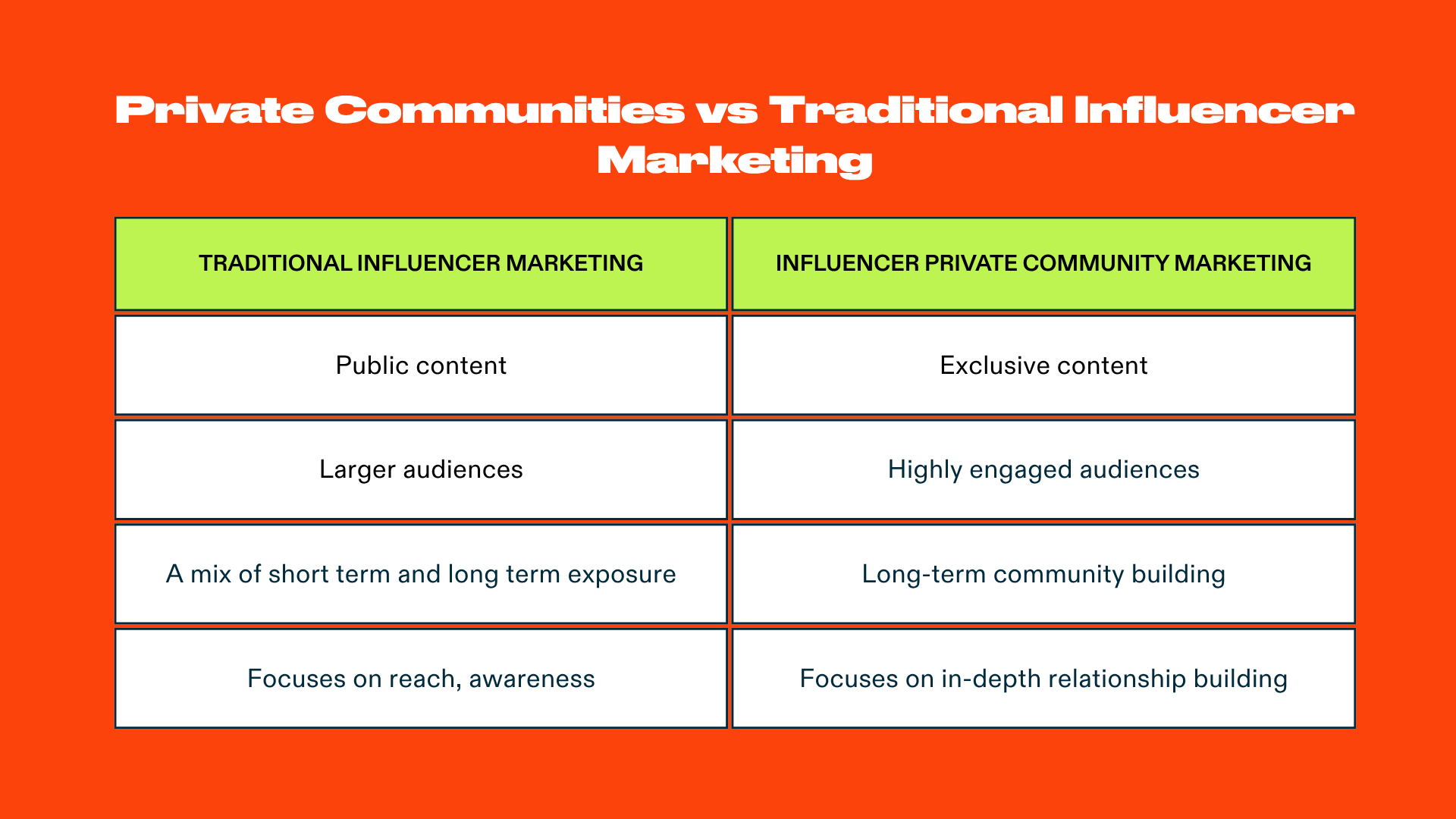
- Private Communities vs Traditional Influencer Marketing ->
- How Patreon Is Changing the Creator–Audience Relationship ->
- The Benefits of Patreon Marketing ->
- The Challenges of Private Community Marketing ->
- 7 Ways Brands Can Build a Patreon Marketing Strategy ->
- The Future of Influencer Marketing Is Community-Led ->
What Is Patreon Marketing?
Patreon is a membership platform that lets creators earn income from subscribers by offering exclusive rewards, content, and experiences to their fans. Users pay monthly or annually, across a range of tiers set by creators (including, a free tier).
Unlike traditional social channels where access is open and an algorithm determines what is seen by a user, on Patreon, users never see anything except what they’re subscribed to.
It isn’t just a place to watch, listen and scroll, either. Patreon creators can offer their members all kinds of things, from exclusive media to downloadable content, physical merchandise and products, access to exclusive Discord channels, or live events.
@patreon it’s been…a chaotic 24 hours. and creators deserve community, not chaos #tiktokban ♬ original sound - Patreon
Why Influencer Marketing Is Moving Beyond Follower Counts
For a long time, eyeballs and attention were the ultimate proxy for influence. Not anymore.
With organic reach declining across the board and online audiences fragmenting into increasingly diverse sub-communities, drawing numbers is simply more difficult. The competition for attention is more intense than ever, meaning that living by the algorithm is becoming more of a challenge for creators and brands alike.
Yet, even if an influencer can pull large numbers, we’re seeing that the relationship between impressions and connections isn’t cut and dry.
In 2026, quality of connection is all that matters. That’s why at Goat we talk about audience access over content reach, and our attention has been firmly captured by the micro-creator.
The reason Patreon is such an exciting (and dare we say, natural) development in this space is that a creator with 20,000 highly engaged paying members could potentially offer more value to a campaign than an influencer with 500,000 passive followers.
Goat’s own campaign data (via IBEX) highlights an ongoing and rapid shift towards micro – and nano-creators, with a fivefold increase in spend across these influencer tiers from Q3 2025 to Q1 2026.
Private Communities vs Traditional Influencer Marketing
How Patreon Is Changing the Creator–Audience Relationship
From followers to members
Following someone on socials is easily done; with just a click, users can choose to observe a creator. Nothing ventured, nothing gained. Making the decision to actively subscribe directly to a creator, part with cash, and join their dedicated community is a far more significant consumer milestone. It has weight.
That weight is exactly what users are craving in an age where influencer over-saturation and a proliferation of shallow brand collaborations have diluted what made socials great in the first place. These new member clubs are built on the back of quality content and closer connections, earning the exceptional levels of engagement and value alignment that define them.
From content consumption to participation
Public social feeds encourage passive scrolling and low-effort comments. This emerging class of freemium content platforms, whether it’s Patreon, Discord, or Substack, are built around encouraging co-creation.
That co-creation could be comments, discussions, exclusive material, events or real-world member interactions. These are spaces where users don’t arrive expecting the typical consumer-creator relationship, but instead see themselves as anything from value-aligned consumers to a creative part of an online community. We’ve seen this through The Sims 4 content creators, producing custom in-game content for players and their audience, encouraged by audience requests and concepts.
From one-off campaigns to ongoing relationships – Brands are following
Brands are starting to wake up to the face that by partnering with influencers inside these opt-in communities, they can build consumer connections beyond the standard fire-and-move-on campaign. Manscaped partnered with The FM Show, a Patreon podcast to offer audiences bonus episodes across their Patreon.
Brands aren’t just hitching a ride with these new platforms, but are absorbing the message they’re putting out through their success: collaborate with creators over a longer period, collaborate with the users themselves, and offer the things that users are actually seeking rather than riding on the back of tangentially related content or creators.
From rented audiences to stronger audience relationships
Let’s be clear – while creators don’t completely “own” their Patreon followers, it’s a genuinely two-way relationship built on intentional interaction rather than borrowing an audience from the algorithm.
The creator gets to share their content with audiences who are genuinely passionate enough to pay for it, and the audience gets content they’re passionate about while feeling genuinely relevant.
@valeriemarieart How its been on Patreon as an illustrator ⭐️👩🏽🎨 I've had a pretty good experience so far being a little over a year into it! Pls join my sticker club 😼 #digitalart #illustration ♬ Ghibli-style nostalgic waltz - MaSssuguMusic
The Benefits of Patreon Marketing
Access to highly engaged audiences
Engagement rates are through the roof on Patreon because both consumer and creator are explicitly there to engage with each other. While TikTok and Instagram are built for broadcasting, Patreon is a purpose built-engagement engine.
More meaningful creator partnerships
When you step into a creator’s Patreon community, you’re no longer in a competitive space. You’re there by invite, and you’re there because that creator deems your brand sufficiently aligned to them and their audience.
The result is partnerships that are balanced and highly relevant.
Potentially stronger conversion opportunities
Patreon audiences aren’t just engaged – they’re paying to be there. That means you have a semi-captive audience who are already primed to use money to get what they want.
That purchase motivation extends to well-crafted collaborations involving the creator they’ve paid to be closer to, making Patreon partnerships powerful conversion opportunities.
Richer audience feedback
On Patreon, you’re about as close to your audience as you can get without going offline. We’re talking audiences of hundreds or thousands, and creators who listen carefully to what their members want and do their best to provide it.
Those rich communication channels will be just as informative around any branded activity you undertake.
Opportunities for long-term collaboration
Given everything we’ve covered on Patreon, we hope it’s clear that this platform isn’t one for quick, one-off, or shallow collaborations. Patreon is primed for long term partnerships, where hand-picked brands like yours become intrinsic to a private content community.
@the.leap @Patreon is an amazing opportunity for creators of all types! #Patreon #CreatorEconomy #Creators ♬ original sound - The Leap
The Challenges of Private Community Marketing
Membership churn
If the relationship between the Patreon community and creator starts to feel transactional, the promise of value isn’t met – and audiences may choose to take their subscription money elsewhere.
Maintaining exclusive value
Patreon communities live on exclusivity – otherwise, what’s a user’s money getting them? If creators and their partners can’t maintain that exclusive flow, they may lose the goodwill of their subscriber audiences faster than they expect.
Creator-brand fit
On Patreon, it’s more important than ever that brands fit into the creator’s storytelling and community. Failing to do so can destroy the foundations of a carefully cultivated network in minutes.
Ad limitations
For some creators, the Patreon paid tiers are literally ad-free offerings, such as podcasters who might offer ad-free listening as a Patreon reward. While this makes it much harder for brands to enter the space, there are still options if brands can commit to subtle, natural connections rather than paid reads.
Privacy and trust
Patreon was designed to create private spaces for audiences and fans. Operating on this platform requires a fundamental respect for that fact.
If audiences feel like the space they paid for is being sold for a second time to brands, they’ll switch off, leave, or even develop a negative opinion of both brand and creator.
Transparency from creators is key, making sure that audiences are aware of any brand involvement rather than being taken by surprise.
Check out our recent video explainer on community-led marketing, featuring Gareth Howells, founder of Hunsnet, and Sophie Miller, Founder of Pretty Little Marketer for more…
@kennislistening #PATREON listen… sometimes mama can’t wait for the audio to be pirated.. #YUZUYA #asmraudios #fyp #VA ♬ original sound - ._Amelia_༘˚⋆𐙚。⋆𖦹.✧˚
7 Ways Brands Can Build a Patreon Marketing Strategy
1. Partner With Creators Who Have Highly Engaged Communities
One of Patreon’s biggest advantages is the quality of the relationship between creators and their audiences. Unlike platforms driven by algorithms and fleeting attention, Patreon communities are built around ongoing support, shared interests, and genuine loyalty. That makes them particularly valuable for brands looking to reach audiences in a more meaningful way.
Instead of focusing purely on follower counts, brands should prioritise creators whose members actively participate in discussions, support projects financially, and engage with exclusive content. A smaller creator with a dedicated community can often deliver stronger results than a larger creator with a passive audience, especially when trust and influence are key to the campaign.
2. Create Exclusive Brand Experiences for Members
Patreon audiences are accustomed to receiving content, access, and experiences that aren’t available elsewhere. Brands can tap into this expectation by creating member-only experiences that feel genuinely valuable rather than simply promotional.
This could include early access to new products, exclusive behind-the-scenes content, virtual events, limited-edition merchandise, or member-only discounts. By giving communities something they can’t get through traditional marketing channels, brands can create a stronger sense of exclusivity while rewarding some of the most engaged audiences online.
3. Co-Create Content With Creators
Patreon creators understand their communities better than anyone. Rather than dictating campaign messaging, brands should view creators as strategic partners and involve them in the creative process from the start.
Collaborative content often feels more authentic because it reflects the creator’s existing voice, interests, and relationship with their members. Whether it’s a sponsored podcast episode, exclusive video series, bonus content, or community challenges, co-created campaigns are far more likely to resonate than traditional advertising that interrupts the audience experience.
4. Use Patreon Communities for Product Feedback
Patreon communities offer brands access to highly engaged consumers who are often eager to share their opinions. This makes them an ideal environment for gathering qualitative feedback throughout the product development process.
Brands can work with creators to test new concepts, gather reactions to product ideas, or understand audience preferences before a wider launch. Because community members are already invested in the creator and actively participate in conversations, the feedback is often more detailed, thoughtful, and actionable than traditional survey responses.
@rachelcroftmusic Replying to @Isabella Gueck it’s a game changer #indiemusic #musiccareer #musictok ♬ original sound - Rachel Croft
5. Turn Community Members Into Brand Advocates
The most passionate members of a creator’s Patreon community often become advocates not only for the creator, but also for the brands they genuinely support. Rather than treating audiences as passive consumers, brands can invite them to play a more active role in campaigns.
Offering opportunities to participate in product testing, community events, content creation, or ambassador programmes can help transform enthusiastic members into vocal supporters. Recommendations from trusted community members often carry significantly more weight than branded messaging, helping campaigns generate organic reach and credibility.
6. Build Long-Term Creator Partnerships
Successful Patreon marketing isn’t usually about one-off sponsorships. Because Patreon is built on ongoing relationships, brands can benefit from adopting the same long-term approach.
Working with creators across multiple campaigns allows trust to develop between the brand, creator, and community over time. Members become familiar with the partnership, integrations feel more natural, and creators gain a deeper understanding of the brand’s goals. The result is often stronger engagement, greater authenticity, and better long-term brand perception than standalone activations can achieve.
7. Measure Community Impact, Not Just Reach
Traditional influencer marketing metrics often focus on impressions, views, and reach. While these remain important, Patreon partnerships create value in ways that aren’t always reflected in audience size alone.
Brands should pay attention to signals such as community engagement, sentiment, conversations generated, retention rates, product feedback, and advocacy. These metrics provide a clearer picture of how deeply audiences are connecting with a campaign rather than simply how many people have seen it. In community-led environments like Patreon, depth of engagement is often a stronger indicator of long-term impact than reach alone.
The Future of Influencer Marketing Is Community-Led
Private communities like Patreon will never replace the major social channels and existing influencer marketing approaches, but they have revolutionised the options available to brands looking to relate to consumers on a deeper, more direct level.
While public social content will always be king for discovery, creator platforms and private communities are ideal tools for the next steps – offering powerful opportunities for deeper engagement, cultivating loyalty and building relationships.
…
If you’re looking for your guide into the valuable (but sensitive) world of Patreon marketing, get in touch.

Other articles you might like
Goat Event: The New Creator Ecosystem, London and New York
- Travel and Leisure
- Beauty & Health
- Fashion & Apparel
- FMCG
- Food & Drink
- Gaming & Entertainment
- Tech & Apps
- Other
WPP The Goat Agency’s Bryce Adams Appointed Co-Chair of IAB Board
- Other
The Top Christmas Influencer Campaigns to Inspire Your 2026 Activations
- Other
Black Friday Marketing Strategy: The Complete Influencer Playbook for Brands
- Other
One-Off Brand Partnerships vs. Ambassadorships: A Decision Guide for Influencer Marketers
- Other
Pretty Little Marketer & Hunsnet: Community-Led Marketing: Why Brands Are Turning to Creators
- Travel and Leisure
- Beauty & Health
- Fashion & Apparel
- FMCG
- Food & Drink
- Gaming & Entertainment
- Tech & Apps
- Other