November 18, 2026
7 Takeouts from Raised on Social LIVE: The New Creator Ecosystem, New York
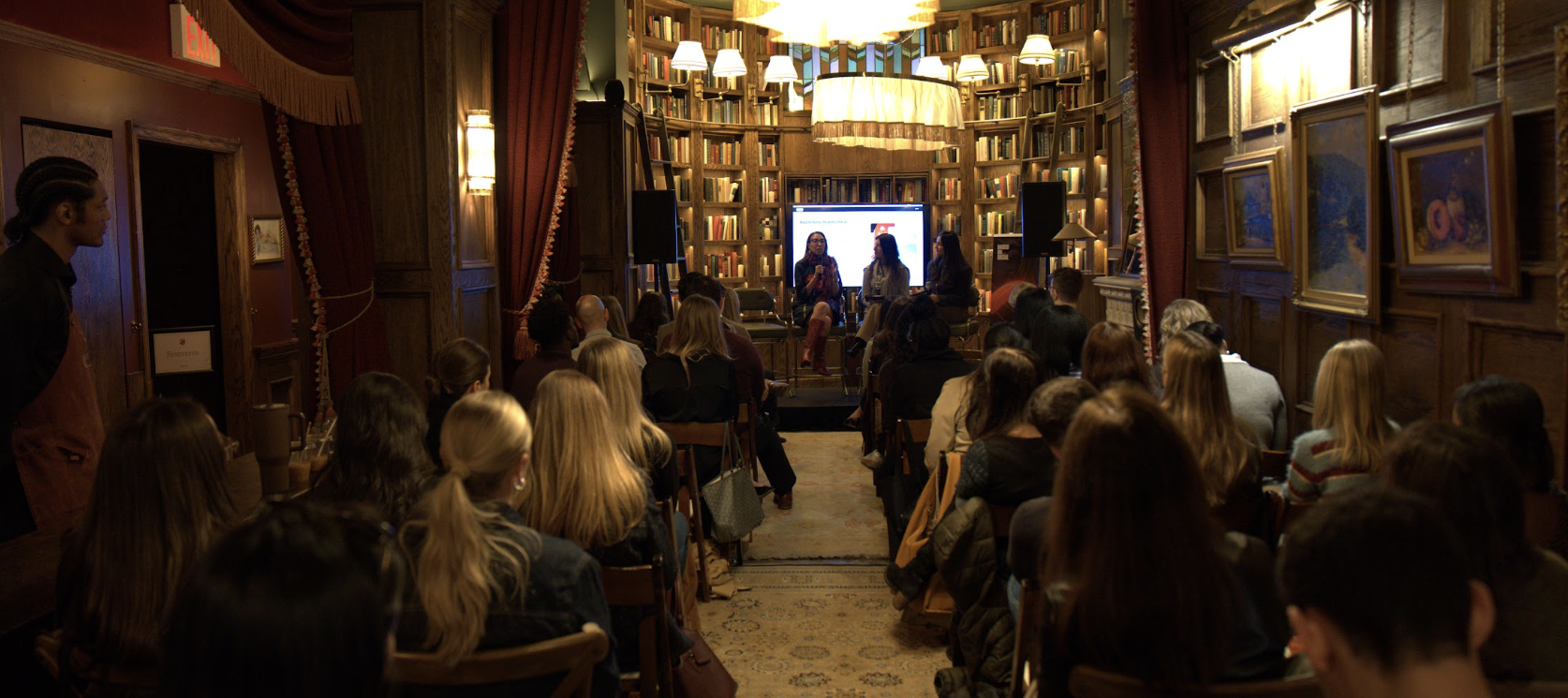
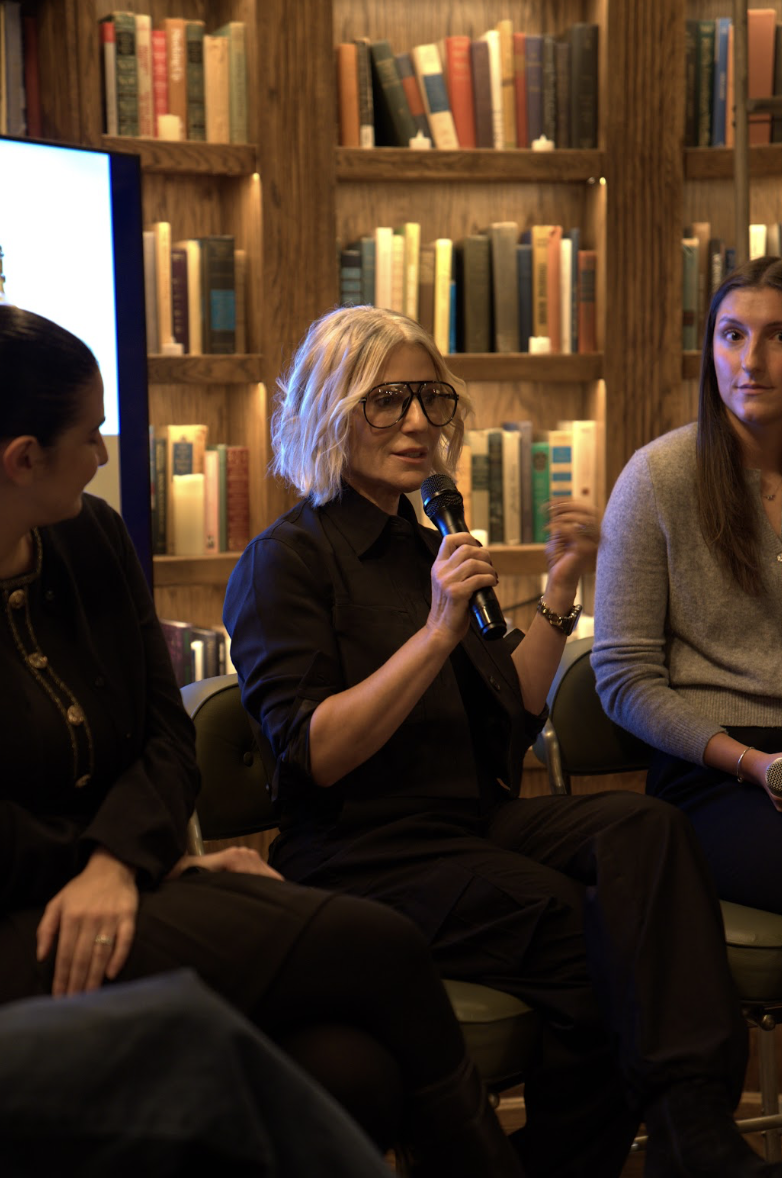
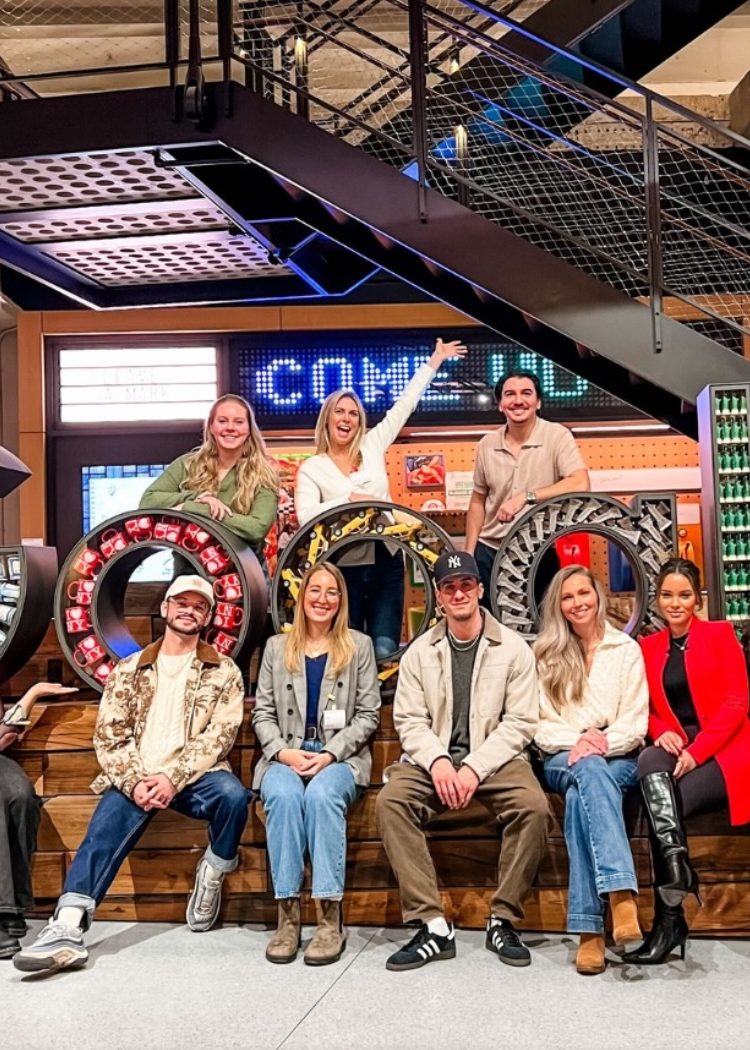
On November 10, we brought together marketers, creators, and industry leaders at Maxwell Social in New York City for The Goat Agency’s Raised on Social LIVE, exploring one big question: How can brands level up in the new creator ecosystem in 2027?
With perspectives from Pinterest, YouTube, TikTok, Substack, X, YSL Beauty, Perricone MD, Madewell, the LA Rams, and some of today’s most exciting creators, the morning covered everything from sports fandom and Creator TV to creator-owned communities and the changing role of creators in brand strategy.
And while the conversations covered plenty of ground, a few ideas kept coming back to us.
Here are seven takeouts that stuck.
Contents
- 1. Stop renting attention. Start building connection. ->
- 2. The game is only just the beginning of sports culture. ->
- 3. Great inspiration doesn't end with a scroll. ->
- 4. The best stories don't need a script. ->
- 5. Give creators the product, not the script. ->
- 6. Maybe it's time to take a few more creative risks. ->
- 7. Your next Creative Director might already be a creator. ->
- So, what's next? ->
1. Stop renting attention. Start building connection.
Does influencer marketing have an image problem?
That’s the question Bryce Adams, US Influencer Lead at Goat, opened the morning with, challenging us to think about how brands show up in culture and whether they’re always getting it right.
From the conversation around influencers at the US Open to the unwavering loyalty of Knicks fans, Bryce explored the difference between capturing attention and building genuine connection.
After all, sports fans don’t abandon their teams after a bad season. Their loyalty is built on shared experiences, memories, and a sense of belonging that goes far beyond what’s happening on the court.
It’s something brands could learn from.
As creators develop their own shows, podcasts, communities, and intellectual property, the opportunity isn’t simply to sponsor a moment. It’s to become part of something people already care about.
Because attention might get someone through the door, but connection is what gives them a reason to stay.
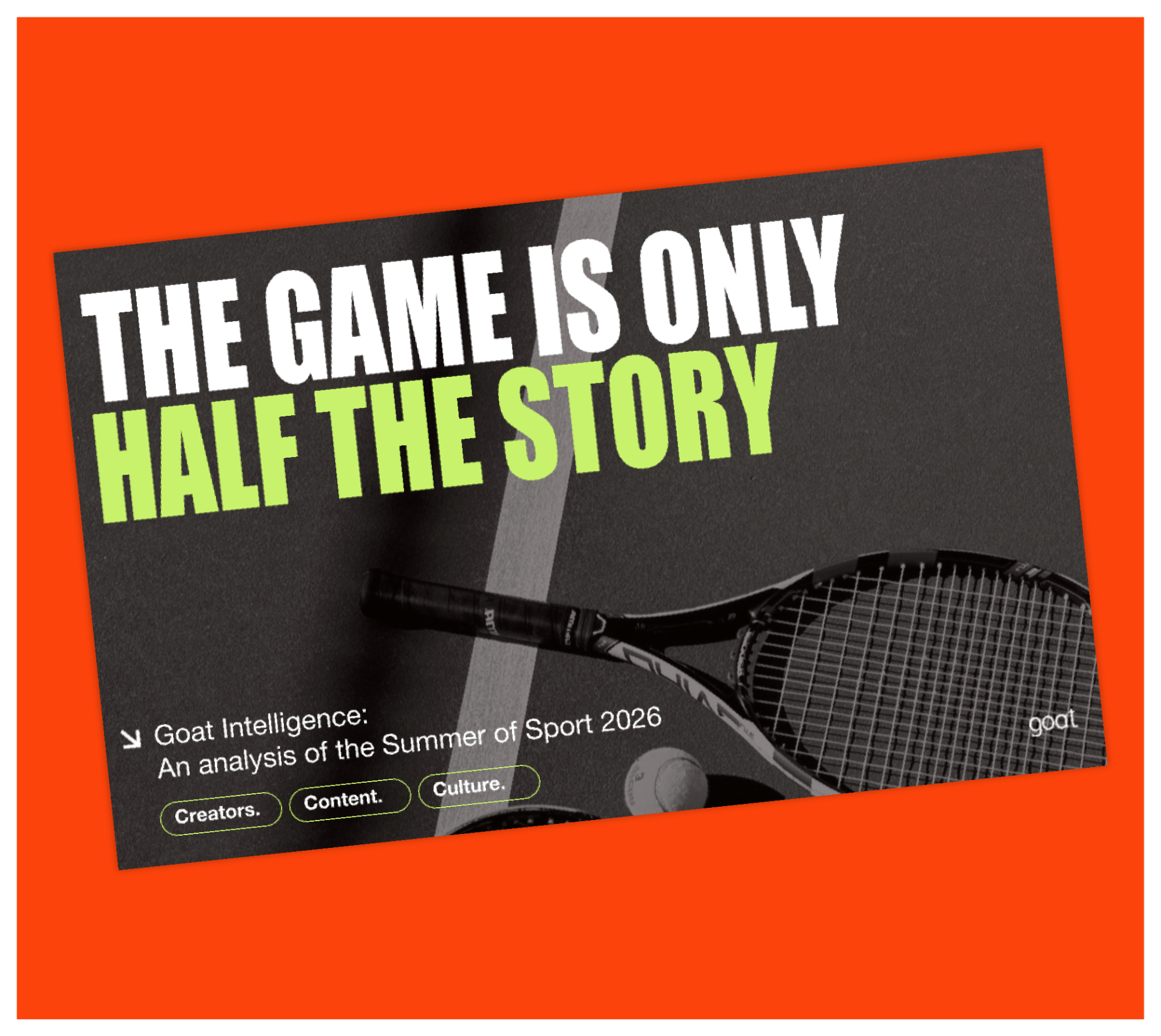
To find out more about how communities connected through global sporting moments, check out our Summer of Sport 2026 report
2. The game is only just the beginning of sports culture.
Sports fandom has never been just about what happens during a game. But today, there are more voices, personalities, and ways to participate than ever before.
Our first panel, “The Game Beyond the Game”, brought together Keith McPherson, sports media personality and creator, Mitchell Smith, Global Head of Content Partnerships at X, and Athena Chen, Senior Director at the LA Rams, moderated by Adam Lawsky from Goat.
What made the conversation interesting was hearing how a creator, a platform, and a team approach the same world from different perspectives.
Keith shared his journey from working behind the scenes in social media to building his own audience and career in sports broadcasting, proving there’s no longer one traditional path into the industry.
Mitch highlighted the variety of voices shaping sports conversations, from meme creators and podcasters to commentators and independent personalities, each connecting with fans in their own way.
And Athena reminded us that athletes are more than what they do on the field. Their interests in fashion, music, and culture offer entirely different ways for fans to connect with the people behind the jerseys.
The bigger picture? Sports culture is no longer defined by the game alone, and understanding all the different ways fans participate is where things get interesting.
3. Great inspiration doesn’t end with a scroll.
Think about the last trend you tried, outfit you recreated, or idea you saved for later. Chances are, it started with something you saw online.
In our fireside chat, “The New Tastemakers,” Sophie Wenet, Senior Strategic Partner Manager at Pinterest, and fashion creator Caroline Vazzana joined moderator Ella Taitelman from Goat to explore how creators are shaping discovery and inspiration.
As Caroline put it, “Pinterest is a platform for creativity”. It’s somewhere you go to see something new and find that one idea that sparks another.
And with 96% of top Pinterest searches being unbranded, people aren’t necessarily looking for a specific product, they’re looking for possibilities.
Sophie explored Pinterest’s “Discover, Decide, Do” journey, highlighting how creators can turn that initial spark of inspiration into something people can imagine trying themselves.
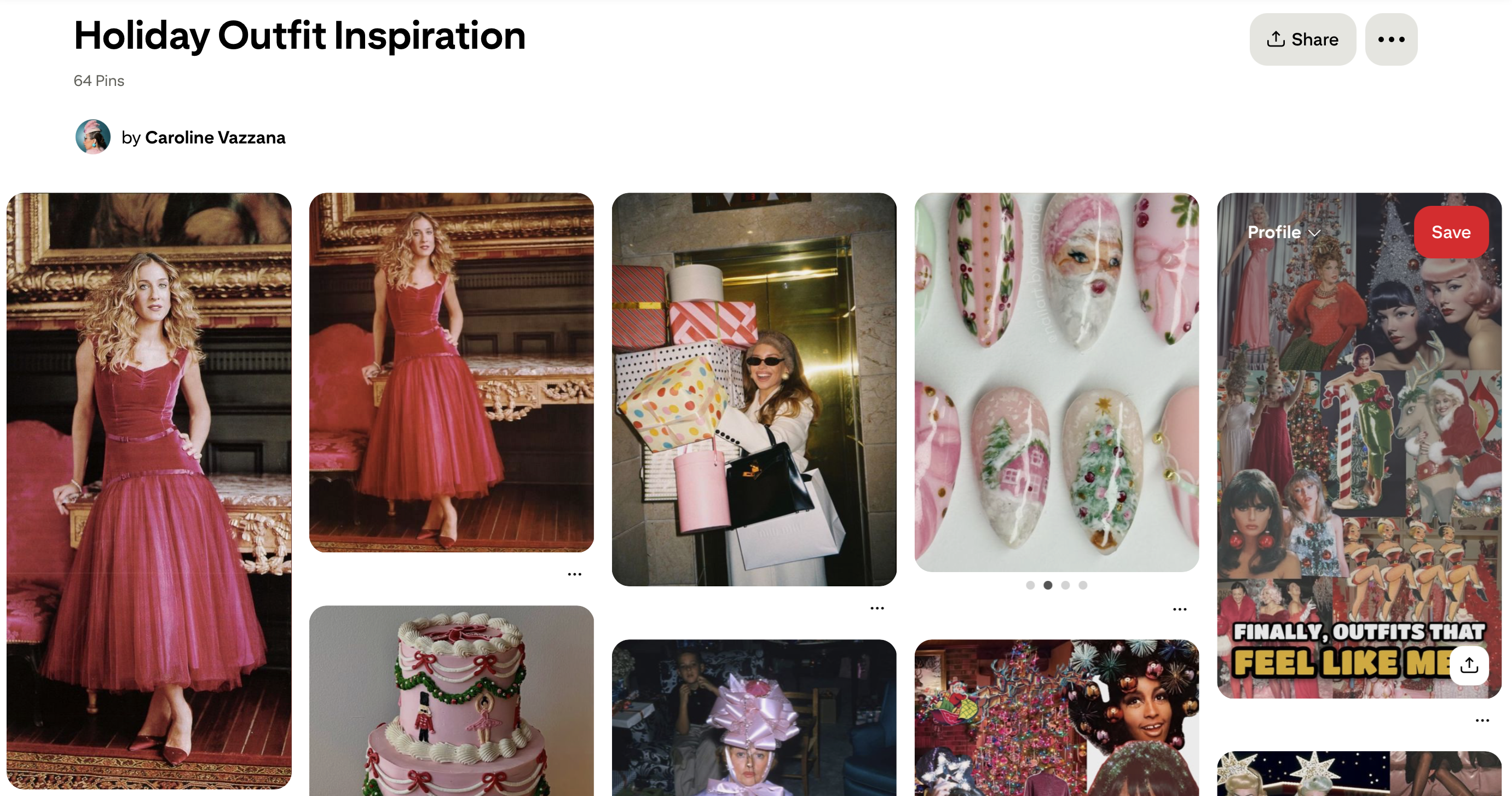
@carolinev pinterest
Caroline also spoke about the importance of having a recognizable creative identity. Between her signature glasses, colorful nails, and feather boas (even at 9 AM!), her audience knows exactly what to expect from her.
The best brand partnerships recognize that personality and find ways to build on it, rather than asking creators to leave it behind.
Sometimes the most valuable thing a creator can do isn’t convince someone to buy something, it’s to inspire an idea they wouldn’t have otherwise had.
4. The best stories don’t need a script.
Creator content isn’t just competing for attention on our phones anymore. It’s making its way onto the biggest screen in the house.
Our “Creator TV” session brought YouTube creator Sydney Serena together with Jago Sherman, Head of Strategy (NA&EMEA) at Goat (WPP Media), moderated by Andres Diaz, Social Video Lead at YouTube.
As Andres explored, audiences are moving between Shorts, longer videos, podcasts, and television screens, often following the same creators across different formats.
But what actually keeps people watching?
For Sydney, it all comes back to storytelling. She explained that even when she’s filming something as simple as going shopping, she’s still telling a story. There’s a beginning, a journey, and an ending. Her Alone But Not Lonely series, including a collaboration with Marshalls, is a great example of how everyday experiences can become recognizable entertainment that audiences return to.
Jago brought in the agency and brand perspective, exploring the relationship between short-form discovery and deeper, longer-form engagement, and why putting a creator into a traditional TV commercial doesn’t necessarily capture what makes their content special.
As creator-led entertainment continues to grow on television screens, perhaps the biggest lesson isn’t about production budgets or video length.
It’s about understanding what makes a story worth watching.
5. Give creators the product, not the script.
When a brand has a complicated story to tell, the messenger matters just as much as the message.
Our panel, “Who Gets to Tell the Brand Story?”, brought together Jennifer Trovel, Chief Marketing Officer at Perricone MD, creator Lisa Tamagini, and Abigail Estal, Senior Campaign Manager at Goat (WPP Media), moderated by Kathleen Meanor from Goat.
Using Perricone MD’s Neuropeptide relaunch as a case study, the conversation explored how different creator voices can bring credibility, relevance, and humanity to a brand’s message.
Jennifer shared how the brand’s approach to influencer marketing evolved as it found creators who genuinely represented its audience and pro-aging philosophy.
Abby explored how the campaign learnings informed the next phase of the strategy, including the different roles pro-aging creators and dermatologists could play in communicating the brand’s story.
But one of our favorite perspectives came from Lisa: give creators the product, give them time to actually use it, and let them decide how to tell the story.
Rather than prescribing exactly what to say, brands should empower creators to experience the product for themselves and figure out how to communicate that experience in a way that feels natural to their audience.
The most compelling recommendation isn’t necessarily the one that follows the brief most closely. It’s the one that comes from someone who genuinely believes in what they’re sharing.
6. Maybe it’s time to take a few more creative risks.
In a digital landscape increasingly shaped by AI and automation, there’s something refreshing about a platform built around writing, original ideas, and human creativity.
Our “Behind the Paywall” panel brought together Kaitlin McGirl, Senior Creative Strategist at Substack, Bella Gerard Fayne, creator of B List, and Teagan Tullio from Madewell, moderated by Hannah Koffsky from Goat.
Bella’s journey from traditional editorial to launching her own publication is a great example of how creators are building businesses around their own perspectives. Her partnership with Four Seasons showed how brands can become part of those editorial worlds in interesting, unexpected ways.
Teagan shared how Madewell’s approach to Substack has evolved, moving from launching its own branded publication to partnering with creators who have already built trusted relationships with their readers.
And Kaitlin explored how Substack is opening up new opportunities for brands through sponsorship formats that provide value to readers, including access to premium content.
In a world where so much content is becoming automated, investing in emerging platforms, exploring different creative styles, and being willing to take risks feels more important than ever.
Sometimes the most interesting opportunities come from trying something that doesn’t follow the usual playbook.
7. Your next Creative Director might already be a creator.
What if the best creative idea for your next campaign didn’t come from your brand or agency?
What if it came from the creator you were planning to brief?
Our final panel, “Your Next Creative Director Is a Creator”, brought together Nicole Ada, Director of Brand Communications at YSL Beauty, Keiko Mori, Head of Creative Product Marketing and Commercial Partnerships North America at TikTok, and Jack Coyne, creator of Track Star.
Nicole shared YSL Beauty’s collaboration with Subway Takes, featuring Amelia Gray and the playful idea that men should wear lip gloss. It’s a great example of how even brands with a very established creative identity can find unexpected ways to work within existing creator formats.
Jack offered a refreshingly simple approach to collaboration: start with a conversation.
Before jumping into briefs, deliverables, or creative concepts, find out what the brand and creator have in common. And importantly, trust that creators want the same thing brands do: to make something great that resonates with an audience.
Keiko reinforced the importance of bringing creators into the creative process earlier, rather than asking them to execute an idea that’s already been decided.
The takeaway? Great creative partnerships don’t start with a list of deliverables. They start with a shared vision, mutual trust, and a willingness to see where an idea can go.
So, what’s next?
Seven conversations, plenty of fresh perspectives, and a lot to think about heading into 2027.
From creator-led entertainment and new ways to build communities to experimenting with emerging platforms and rethinking the traditional creative brief, the opportunities are getting bigger and more interesting.
That might be the most exciting part. There’s no single formula for what comes next.
A huge thank you to all our speakers, partners, and everyone who joined us in New York City for making the morning such a success.
Here’s to what’s next for the creator ecosystem.
…
If you’d like to be the first to hear about our upcoming Raised on Social LIVE events, in the US and UK, reports, research and Goat news, subscribe to our Raised on Social Newsletter.
Other articles you might like
Influencer Marketing Statistics for 2027: The Data Brands Need to Plan Ahead
- Other
Goat Data Shows Brands Should Start Their Holiday Media Planning in October
- Travel and Leisure
- Beauty & Health
- Fashion & Apparel
- FMCG
- Food & Drink
- Gaming & Entertainment
- Tech & Apps
Summer of Sport 2026 Report: How did creators and brands add to the fan experience?
- Travel and Leisure
- Beauty & Health
- Fashion & Apparel
- FMCG
- Food & Drink
- Gaming & Entertainment
- Other
How to Choose the Right Influencer Marketing Agency in the US
- Other
Patreon Marketing: How Private communities are Reshaping Influencer Marketing
- Other
GTA VI (6) Predicted to Have Higher Revenue Than Any Other Single Piece of Media This Year
- Gaming & Entertainment