August 13, 2026
One-Off Brand Partnerships vs. Ambassadorships: A Decision Guide for Influencer Marketers
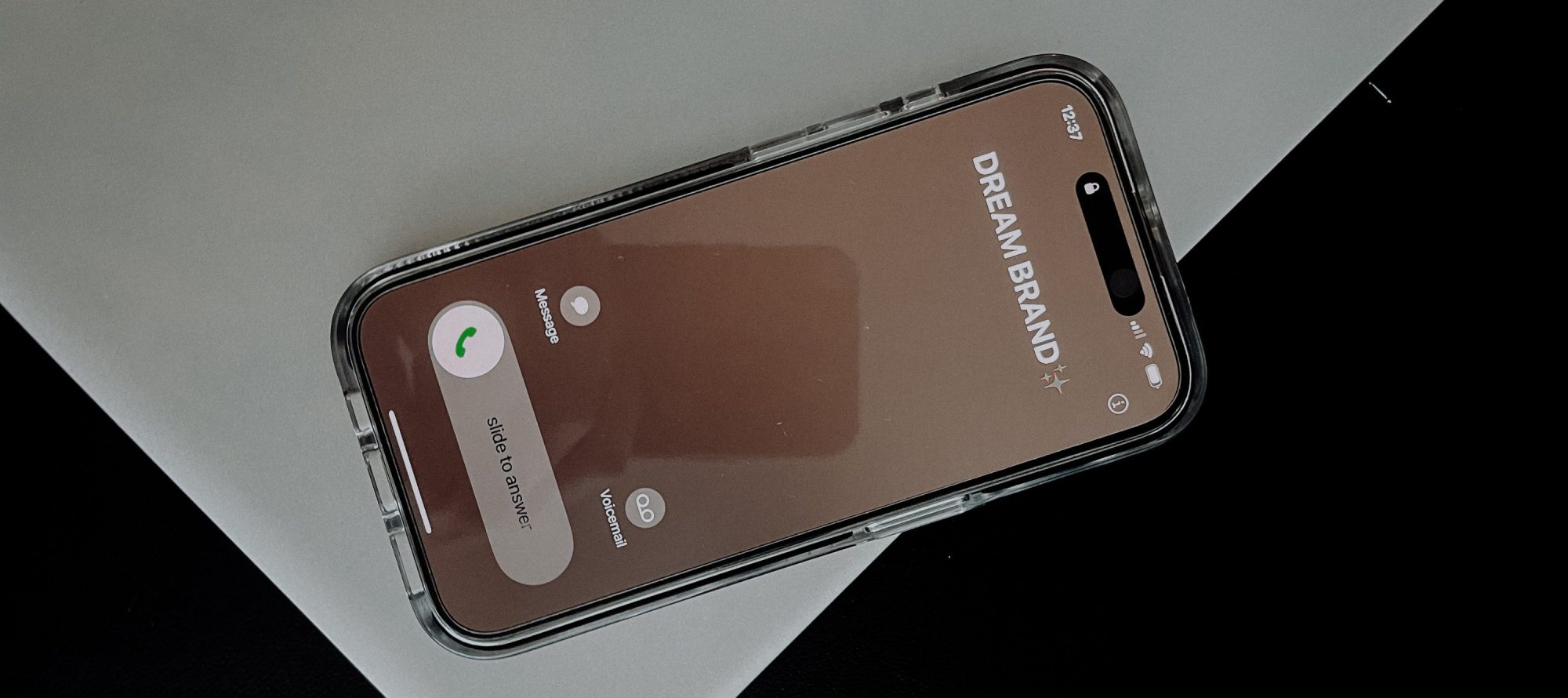
Brand marketers who leverage creators for their social marketing will always face a fundamental question – what’s better? Build and fire one-off partnerships across a range of influencers, or signing recurring, multi-season (or even multi-year) ambassadorships after careful selection?
Of course, the answer depends. But your decision here will shape the foundations of your influencer campaigns – and determine the scale of your success.
This is your guide to when, where, why and how you should integrate short-term partners or long-term ambassadors into your brand marketing, whether you’re targeting specific campaign-level results or building a brand.
Contents
What’s the Difference Between a Brand Partnership and a Brand Ambassadorship
Brand Partnership
What is it?
A brand partnership a short-term collaboration tied to a specific campaign, product launch, or event.
What’s the goal?
The goal of a partnership is to drive awareness or sales for a specific moment. It might be reactive to an event or cultural moment, or simply an advertisement for a key product with a trusted, human front.
Brand Ambassadorship
What is it?
Brand ambassadorships are longer term. Here, you’re creating a relationship – one where a creator regularly promotes a brand’s products and aligns themselves to it. In time, they may even come to represent the brand itself.
What’s the goal?
A brand ambassadorship is about building ongoing brand affinity, trust, and recognition. At times, it’s about fusing elements of the influencer and brand together, transferring personality, values, and reputation between the two entities.
The level of commitment for a Brand Partnership vs. a Brand Ambassadorship
In a nutshell? Partnerships are often one-off, while ambassadorships involve continued collaboration over time. While it may seem like a simple difference, the impacts can be massive.
@cleanipedia_uk Gentle next to sensitive skin with fragrance that lasts 🤍 Try our Pure Heaven Scent range by Persil and Comfort ☁️ @Molly-Mae @Comfort UK @Persiluk Always keep away from children #mollymae #pureheavenscent #persil #comfort #fyp ♬ original sound - Cleanipedia
Why This Decision Matters More Than It Used To
As the influencer landscapes matures, consumers are becoming increasingly savvy about paid partnerships. Their ad-vision is always improving, and they’re quick to swipe as soon as they detect one. Audiences demand more – not just from brands, but from influencers themselves.
If a creator pops up out of nowhere to sell a product that doesn’t make sense in terms of their personality or niche, and never mentions it again, audiences are likely to tune out – or worse, lose trust in the creators and brands involved.
That doesn’t mean brand ambassadors are the new default, though. Ambassadorships are higher risk, higher cost, and can reduce a brand’s ability to flex in response to seasons, trends, events, and new consumer data. Ambassadors require that brands find influencers that they’re happy handing their carefully cultivated brand reputation over to.
Choosing between partnerships and ambassadorships is a question of product-market-fit, efficiency, credibility, and risk-to-reward decision making.
What KPIs are Brand Partnerships and Ambassadorships Actually Built to Move
KPIs for a brand partnership
A well-executed brand partnership is designed to shift the dial on:
Direct conversions and sales
Yielding immediate revenue. Particularly useful launch windows, flash sales, or seasonal drops – think custom links and promo codes.
Expanding reach and impressions
Exposing your brand to entirely new audiences by tapping into diverse creator networks.
Asset generation
Fast generation of fresh creative assets to use across paid and organic social channels.
KPIs for a brand ambassadorship
On the flip side, a good brand ambassadorship is all about driving:
Brand consideration
Moving prospects steadily down the marketing funnel from initial awareness to consideration and engagement.
Share of Voice (SOV)
Locking down your niche and dominating the conversation in your space.
Customer Lifetime Value (LTV)
Cultivating loyal, high-intent buyers who keep coming back.
Brand equity
Transferring credibility and trust from a creator directly to your brand.
What Ambassadorships Do Well
Ambassadorships are about cultivating customers, developing brand awareness, and building invaluable sentiment around your business.
The first time an ambassador mentions your product, people notice it. The second or third time, they consider it. But when users see that product sitting on an influencer’s counter in the background of an unrelated story, or being casually used in that creator’s everyday life, it’s an implicit and powerful recommendation.
An ambassadorship is what happens when brands fully understand what makes audiences engage with influencers in the first place. Familiarity. Consistency. Affection. Trust.
By becoming a part of the regular life of a creator through an ambassadorship, brands benefit from an unprecedented level of alignment with that influencer. Audiences recognise that the creator isn’t just holding a product up for a few moments for a fee, but is staking their reputation and their following on aligning with that brand.
On our podcast Overherd on Social, we sat down with Brand Manager of Buxton Daniela Campanaro, to hear how they strike an effective balance between ambassadorships, long-term brand partnerships, and targeting spikes like the London Marathon to market mission-first brands like Buxton.
@woodydoesvideos Mo Farah back on the London Marathon course - what a day.!! #mofarah #londonmarathon #buxtonwater #london @sirmofarah @buxtonwater @TheFTDBrothers ♬ Run Boy Run - Instrumental - Woodkid
How to Structure a Brand Ambassadorship
Term Length
Jumping straight into a multi-year deal without a trial run is a high risk move. On the other hand, being too cautious and trying to build ambassadorship off the back of test runs that are days or weeks long will defeat the whole point of it.
A 6-to-12-month timeline is often the sweet spot for first-time ambassadors, giving you enough runway to see real results while giving both sides space to adjust based on returning data.
Exclusivity
Exclusivity is critical – if your ambassador is associated with other brands in your niche, their value to you is heavily diluted.
However, asking for overly broad exclusivity has its challenges too. Overly polished, unrealistic ads featuring your product, and your product alone don’t reflect the wider picture. People don’t use products in isolation, so limiting crossover to other brands is less realistic and screams ad.
Creative Control
An ambassador is a mouthpiece for your brand, but that doesn’t mean talking through them like a puppet. Their value is their creative skill, their personality, and their own personal brand – give them objectives, guardrails and non-negotiables, then let them run.
Common Ways Ambassador Programs Go Wrong
Choosing for Early Traction, Not Longevity
It’s all too easy for brands to have their heads turned by a creator who is blowing up on TikTok or Instagram. They rush to get in on the ground floor, scooping them up before a competitor can.
However, a spike in viral traction does not equate to a loyal, trusting, vertical-aligned community. If you link yourself to an ambassador who lacks those key elements, you’ll often find yourself facing an uncontrollable drop off in engagement halfway through their contract.
When it comes to long-term partner deals, look for steady baseline engagement and community building over buzzy spikes.
Over-Scripting Until It Stops Feeling Authentic
When companies spend big on long-term deals, legal and brand teams are liable to demand tighter control over the outputs. While it’s often driven by a desire to mitigate risk and reduce uncertainty, the result is usually exactly what those teams fear most – low ROI and brand damage.
By locking down their new ambassador through heavy scripting, brands end up with robotic performances and a creator who’s lost what made them valuable in the first place. Audiences zone out from ‘fake’ feeling content, and that trust is almost impossible to recover once lost.
…
If you’re ready to create a brand ambassadorship that fosters relatability, connection, and trust among your audience, chat to our team to find out how Goat can transform your strategy.

Other articles you might like
The Top 13 B2B Influencers: Who’s Dominating the B2B Space and How are Brands Investing?
- Food & Drink
- Gaming & Entertainment
- Tech & Apps
- Other
World Cup Influencer Marketing Strategy: How do you market to 48 countries at once?
- Travel and Leisure
- Gaming & Entertainment
- Other
What is Influencer Commerce? How Goat Transforms What Conversion Looks Like
- Other
Pride Month Influencer Marketing: What Actually Works (And Why Most Brands Get It Wrong)
- Other
Soundcloud Appoints The Goat Agency as US Influencer Agency of Record
- Other
Employees are the New Influencers: How the EGC Landscape is Shaping Brand Marketing
- Other